Prediction Markets Capture Larger Share of Legal US Betting Volume During 2026 World Cup
Quinn Long · Aug 10, 2026
Prediction Markets Capture Larger Share of Legal US Betting Volume During 2026 World Cup
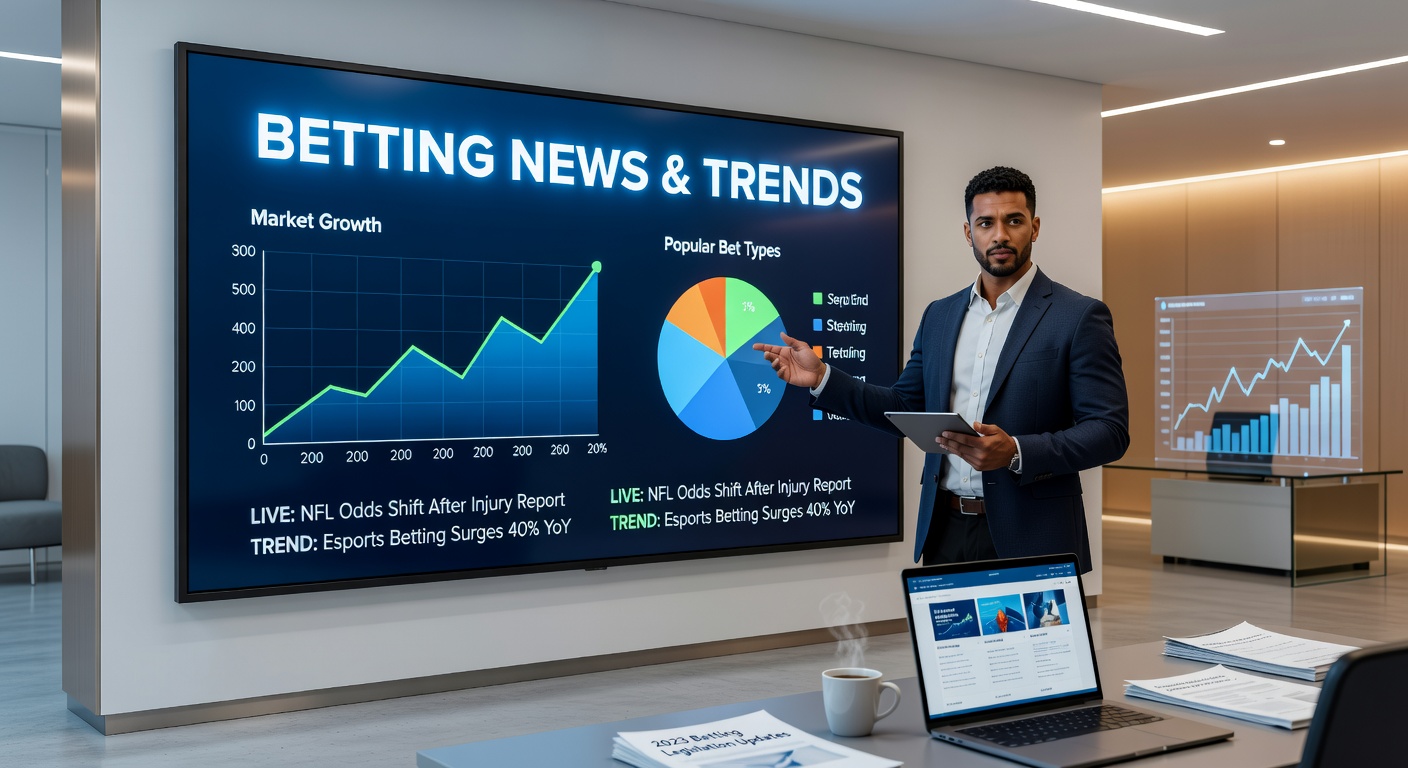
Prediction-market trading surged during the 2026 World Cup as platforms handled a growing portion of legal US sports-betting activity, and this shift occurred while traditional sportsbooks recorded slower expansion rates. Observers note that the event's first month produced public data showing prediction markets reaching approximately 27 percent of overall legal US sports-betting volume, a marked increase from the 9 percent share recorded at the start of the year. H2 Gambling Capital compiled these figures from tournament-related activity and presented them as evidence of accelerating competition in the regulated market.
Platforms such as Kalshi drew attention because they offered event contracts that differed from standard point-spread or moneyline wagers at conventional sportsbooks, and traders responded by moving volume into those instruments during the early stages of the tournament. The estimates cover only legal activity, which means they reflect transactions processed through state-licensed channels rather than offshore or unregulated venues.
Volume Estimates and Data Sources
H2 Gambling Capital based its assessment on publicly available trading records tied to the World Cup's opening month, and those records indicated that prediction-market activity expanded at a faster pace than the broader sports-betting sector. The 27 percent figure represents an aggregate across multiple states where both prediction markets and traditional sportsbooks operate under regulatory oversight. Analysts tracking the sector observe that the increase from 9 percent to 27 percent occurred within a single calendar year, which underscores the speed at which certain traders shifted preferences during the tournament window.
Data collection relied on reported volumes from licensed operators, and the resulting estimates do not include any projections for the remainder of the event. Because the figures derive from the first month alone, later tournament stages could alter the final proportion once full-month reporting becomes available.
Comparison With Traditional Sportsbooks
Traditional sportsbooks experienced growth during the same period, yet their expansion rate lagged behind the gains posted by prediction-market platforms. The divergence appears in the relative share each category captured of total legal volume, and the gap widened as the World Cup progressed through its group stage. Observers tracking state-level reports note that prediction markets benefited from product features that allow direct trading on specific event outcomes, which appealed to participants seeking alternatives to fixed-odds betting.
Because prediction markets operate under different regulatory frameworks in several jurisdictions, operators could list contracts that sportsbooks either cannot or do not offer. This structural distinction contributed to the observed shift in volume allocation during the tournament's initial weeks.
Market Context in August 2026
By August 2026 the 2026 World Cup had concluded its opening month, and the volume data released at that point highlighted the competitive pressure prediction markets placed on established sportsbooks. Licensed operators in states that permit both product types recorded the change in real time, and the resulting statistics fed directly into the H2 Gambling Capital analysis. The timing matters because regulatory approvals for new prediction-market contracts often align with major sporting calendars, which can accelerate adoption when events draw concentrated attention.
Those following the sector point out that the 27 percent share emerged from a base of 9 percent only months earlier, which illustrates how quickly trading patterns can adjust when a global tournament coincides with expanded platform availability. The estimates remain specific to legal US activity and therefore exclude any parallel movement that may have occurred in international or unregulated channels.
Implications for Licensed Operators
Licensed operators face a landscape in which prediction markets claim a larger slice of overall volume during peak events. The H2 Gambling Capital numbers quantify that shift for the World Cup's first month, and subsequent reporting periods will reveal whether the elevated share persists or recedes once the tournament ends. State regulators receive the same public data streams that informed the estimate, which allows them to monitor the distribution of activity across product categories without relying on proprietary operator disclosures.
Because the figures rest on tournament-specific trading, they provide a snapshot rather than a year-round baseline. Future events may produce different ratios depending on contract availability, state licensing decisions, and participant preferences at the time.
Conclusion
The reported increase from 9 percent to 27 percent of legal US sports-betting volume demonstrates that prediction markets expanded their position relative to traditional sportsbooks during the 2026 World Cup's opening month. H2 Gambling Capital derived the estimate from public tournament data, and the comparison highlights measurable competition from platforms including Kalshi. Observers continue to track subsequent reporting periods to determine whether the share stabilizes or changes once full-event figures become available.