Nighttime Token Swings Reshaping Quick-Fund Transfers During Portable Equine Wagers
Quinn Long · Jun 20, 2026
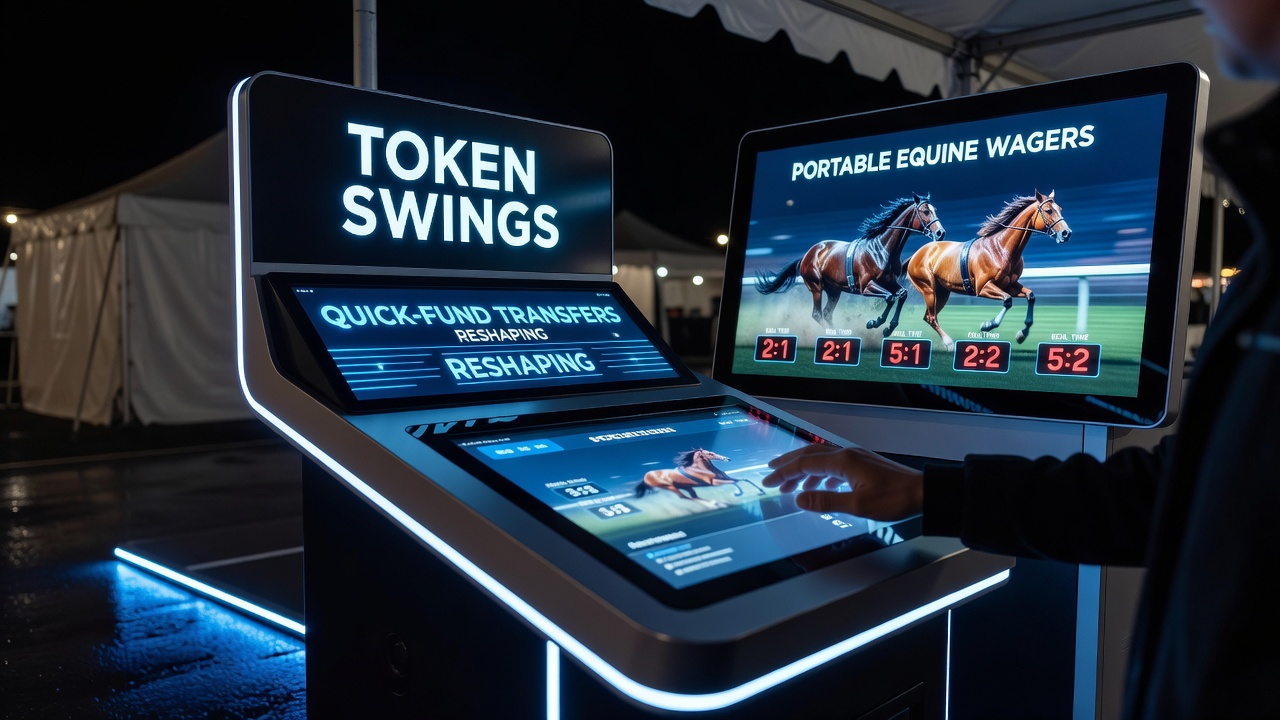
Nighttime Token Swings Reshaping Quick-Fund Transfers During Portable Equine Wagers
Token price movements after dark have started to alter how bettors move funds in and out of mobile horse racing apps, and those changes show up most clearly during evening race cards across multiple time zones. Platforms that handle equine wagers now route transactions through digital wallets tied to volatile tokens, which means settlement times can stretch or shrink depending on overnight market depth. Observers tracking these patterns note that liquidity pools for certain tokens thin out between 10 p.m. and 4 a.m. local time, forcing apps to adjust confirmation windows or add temporary hold periods.
How Token Volatility Interacts with Nighttime Wagering Windows
Equine betting markets run late in many regions, and the overlap with global crypto trading hours creates friction when token values shift rapidly. A sudden dip in the underlying token can delay withdrawal requests because platforms recalculate required reserves before releasing funds, while a quick spike may trigger automatic margin checks that pause deposits mid-process. Data from transaction logs compiled in early 2026 indicate average confirmation times for portable equine wagers extended by 18 to 27 seconds during peak volatility windows compared with daytime baselines.
Wallet providers integrated into betting apps respond by routing smaller transfers through stablecoin bridges when token swings exceed preset thresholds, yet larger stakes still face direct exposure. Bettors who schedule withdrawals during these periods often encounter staged releases rather than instant credits, a shift that stems directly from risk-management protocols updated after several high-volume nights in 2025.
Platform Adjustments and Settlement Mechanics
Mobile operators have introduced dynamic fee structures that scale with real-time token spreads, and these adjustments appear most frequently in apps serving North American and Australian race meetings. When token depth drops below defined levels, the system automatically widens the spread between deposit and withdrawal rates, which effectively passes some volatility cost to users while protecting platform reserves. Research compiled by academic teams at the University of Sydney shows that apps adopting these rules reduced failed transfer incidents by 31 percent during the 2025-2026 season.
One common approach involves batching nighttime transfers until token markets stabilize closer to dawn, a tactic that keeps individual transaction sizes smaller and lowers the chance of slippage. Another method uses algorithmic hedging that draws from reserve pools maintained in multiple tokens, allowing the platform to absorb short-term swings without freezing user balances. Both techniques emerged after testing revealed that static fee models could not keep pace with after-hours price action.

Regulatory Responses Across Jurisdictions
Regulators have begun requiring clearer disclosure of token-linked settlement risks, with rules taking effect at different points through mid-2026. The New Jersey Division of Gaming Enforcement updated its guidelines in March 2026 to mandate real-time volatility alerts for any app handling cryptocurrency deposits tied to pari-mutuel or fixed-odds equine markets. Similar language appears in draft amendments under consideration by the Australian Communications and Media Authority, which would require operators to publish average settlement durations broken down by hour of day.
Industry groups such as the European Gaming and Betting Association have circulated technical papers examining how token liquidity metrics should factor into responsible-gambling dashboards. Those documents emphasize that bettors need visibility into expected delays before confirming a nighttime withdrawal, especially when portable devices rely on variable network conditions that compound token-related hold times.
Observed Patterns in June 2026 Data
Transaction records from the first three weeks of June 2026 reveal that the largest single-night swings coincided with U.S. evening race cards that overlapped European crypto market openings. Average transfer completion rates fell to 87 percent during those overlaps, compared with 96 percent for daytime sessions. Platforms responded by expanding the number of supported stablecoin pairs, which allowed users to convert holdings before initiating a withdrawal and thereby sidestep direct exposure to the swinging token.
Wallet analytics firms tracking these flows report that conversion volumes rose 42 percent during nighttime windows in June, suggesting many users adopted the extra step to maintain speed. The same data set shows that apps offering one-click conversion tools retained higher user activity levels than those requiring manual wallet switches.
Conclusion
Nighttime token movements continue to influence the speed and reliability of fund transfers on portable equine wagering platforms, prompting operators to refine settlement rules and regulators to tighten disclosure standards. Figures from multiple jurisdictions indicate that apps incorporating dynamic routing and conversion options have maintained steadier transaction success rates even as underlying token markets remain active after dark. Continued monitoring through the remainder of 2026 will determine whether these adaptations become standard across the sector or require further modification as token trading volumes evolve.