Navigating Jurisdictional Variances in Mobile Casino Game Selections for International Football Bettors
Otto Griffin · Jul 13, 2026

Navigating Jurisdictional Variances in Mobile Casino Game Selections for International Football Bettors
Football bettors who travel internationally or access platforms from multiple regions encounter distinct sets of mobile casino games because local laws dictate which titles operators may offer alongside sports wagering. These rules cover everything from slot machines and table games to live dealer formats, and they shift based on licensing requirements, player age thresholds, and restrictions on game mechanics such as autoplay or bonus features. Data from regulatory filings shows that operators adjust their libraries in real time when users cross borders or switch IP addresses, which creates both limitations and opportunities depending on the destination jurisdiction.
Regional Regulatory Frameworks Shape Available Titles
European markets outside the United Kingdom operate under frameworks that permit broader selections of instant-win games and progressive jackpots when paired with football betting accounts, whereas certain Asian jurisdictions limit mobile casino offerings to skill-based variants only. In Canada, provincial rules in Ontario require separate licensing for casino modules within sports betting apps, which results in fewer roulette and blackjack options compared with neighboring provinces that follow different approval processes. Australian authorities enforce strict caps on simulated reel speeds and maximum bet sizes per spin, prompting operators to disable specific high-volatility slots for users detected within those borders. These variations stem from consumer protection statutes that took updated forms in several jurisdictions during 2025 and continue to evolve through mid-2026.
Researchers at the University of Nevada Reno documented how licensing conditions directly influence game catalogs in their 2024 industry report, noting that operators must maintain separate game servers for each regulated market to remain compliant. International football bettors therefore see different menus appear when they log in from hotels in Las Vegas versus accounts registered in Singapore, even when using the same application. July 2026 marks the scheduled rollout of new compliance modules in several Canadian provinces that will further segment live casino streams from pre-recorded football markets.
Technical Adaptations Operators Use to Manage Compliance
Geolocation services combined with account verification protocols allow platforms to swap entire game libraries without requiring users to download new applications. When a bettor opens a mobile session, the system checks the current location against a database of permitted titles, then loads only those games cleared for that territory. This process occurs within seconds and often includes toggling payment method availability because certain e-wallets integrate more smoothly with casino modules in one region than another. Industry data indicates that such backend switches prevent regulatory fines while preserving access to football betting features that face fewer restrictions across borders.
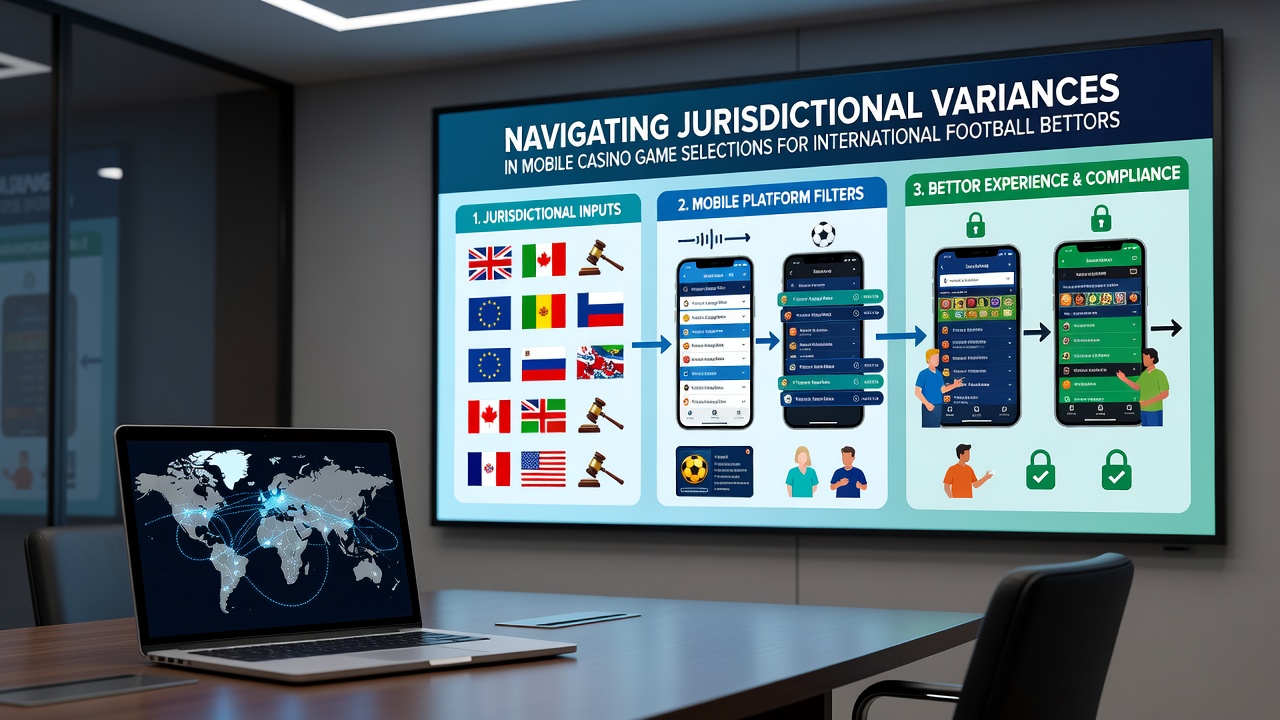
One documented case involved a user traveling from Malta to Australia who found progressive jackpot slots replaced by fixed-odds instant games upon arrival, while football accumulator options remained unchanged. Such adjustments rely on partnerships with game providers who supply jurisdiction-specific versions of the same software. Observers note that these technical layers add complexity for bettors who maintain accounts across multiple countries, yet they also enable continued play without violating local statutes.
Impact on Football Bettors Who Combine Markets
Many international football enthusiasts use casino games to manage session length between matches or to access loyalty rewards tied to overall platform activity. When jurisdictional rules remove certain titles, bettors often shift toward available alternatives such as video poker or virtual sports that carry different return profiles. Figures from the European Gaming and Betting Association reveal that cross-border users spend an average of 18 percent more time reviewing game menus after location changes because they must identify newly permitted options each time. This pattern becomes especially noticeable during major tournaments when mobile traffic spikes and operators refresh compliance lists weekly.
Payment rails also diverge because some regions prohibit credit card funding for casino play while permitting the same method for football wagers. Bettors who move between these environments therefore maintain multiple funding sources or rely on cryptocurrency corridors cleared in fewer jurisdictions. Studies conducted by academic teams in Australia during 2025 tracked these behaviors and found that users who plan ahead by noting upcoming travel dates experience fewer interruptions in their preferred game sequences.
Emerging Developments Expected by July 2026
Regulatory updates scheduled for July 2026 in selected North American and Asian markets will introduce new disclosure requirements for game return percentages displayed on mobile interfaces. These changes aim to standardize information across borders without forcing operators to unify entire catalogs. Early filings indicate that football betting sections will remain largely unaffected, yet casino modules will display additional risk warnings and session timers calibrated to local standards. Operators have already begun testing these displays in beta environments to ensure seamless transitions when the rules activate.
Additional licensing rounds in emerging markets may expand the number of approved game providers, which could increase variety for traveling bettors who previously encountered limited selections. Data compiled by provincial regulators shows steady growth in approved titles year over year, suggesting that the gap between jurisdictions may narrow in specific categories even as core differences persist.
Conclusion
International football bettors who engage with mobile casino offerings must account for location-based restrictions that alter game availability, payment options, and interface features. These variances arise from licensing conditions, technical compliance systems, and scheduled regulatory updates such as those planned for July 2026. Understanding the mechanisms behind these differences allows users to anticipate changes when crossing borders and to select platforms that maintain consistent football markets while adapting casino libraries accordingly.