Mexico's iGaming Sector Expands Rapidly During 2026 World Cup Co-Hosting Role
Ines Wagner · Aug 17, 2026
Mexico's iGaming Sector Expands Rapidly During 2026 World Cup Co-Hosting Role
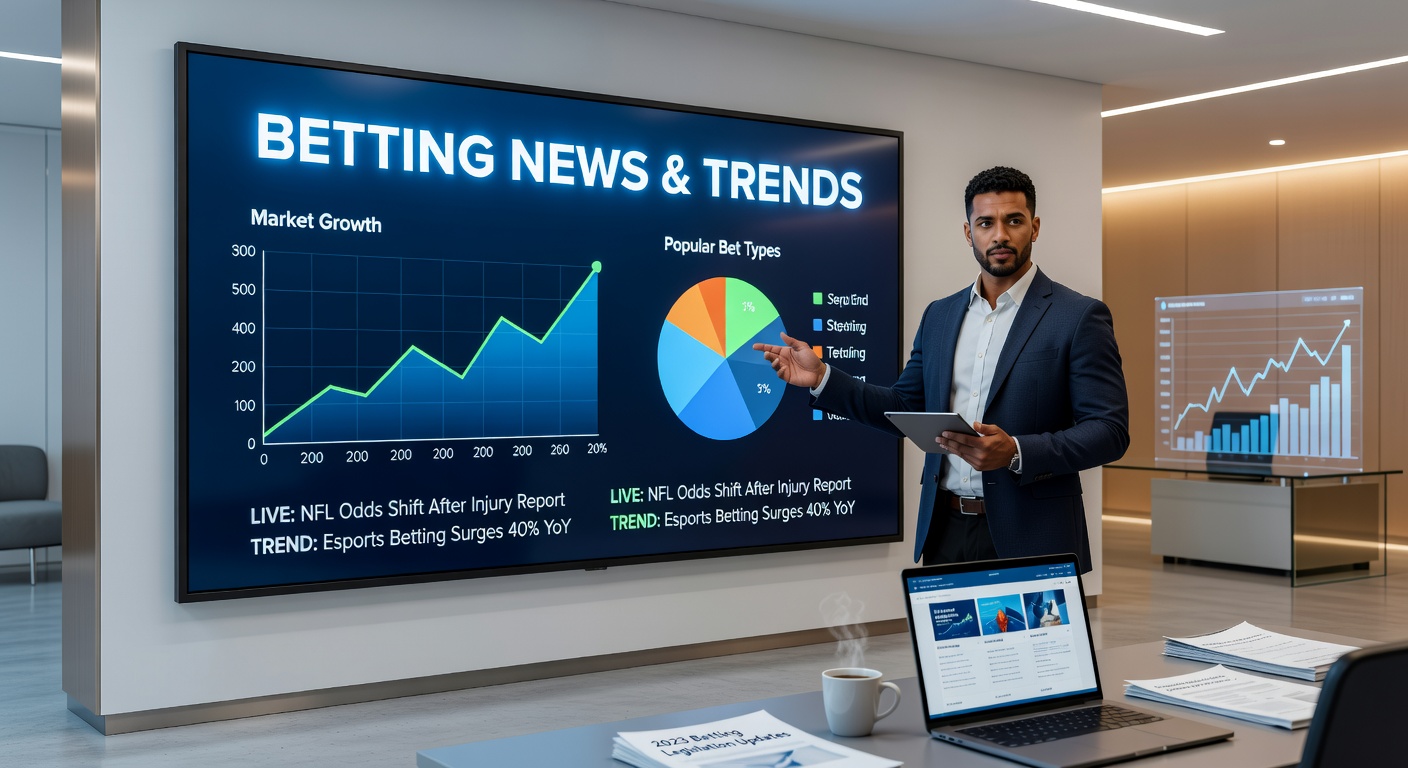
Digital betting platforms in Mexico doubled their user bases as the country served as co-host for the 2026 FIFA World Cup, and daily activity levels climbed 30 to 40 percent above typical figures while live betting volumes rose sharply during key match moments. Observers note that interest in the Mexican national team combined with real-time wagering options drove these changes, and the sector now supports roughly 200,000 jobs while contributing about 0.5 percent to national GDP.
Platform Growth and Daily Activity Shifts
Betting operators recorded the doubling of active accounts across major sites as tournament matches unfolded, and peaks in daily transactions reached 30 to 40 percent higher than pre-event baselines according to industry tracking. These figures emerged in August 2026, when group-stage and knockout fixtures kept attention high, and users logged in at greater rates during evenings when Mexican matches aired. Data shows that mobile applications handled most of the increased volume, which allowed bettors to place wagers quickly between plays.
Activity concentrated around hydration breaks, where live betting volumes jumped between 60 and 150 percent compared with normal intervals. Those spikes occurred because matches paused at set times, giving bettors clear windows to adjust positions on next goals, cards, or player performances. Researchers tracking the patterns found that interest in the home team amplified participation, and many users combined pre-match bets with in-play adjustments once games started.
Economic Footprint and Employment Figures
The expanded market supports approximately 200,000 jobs across operators, technology providers, and related services, while the overall contribution to GDP sits near 0.5 percent. Figures reveal that licensed local platforms capture a portion of the activity, yet more than 60 percent of online bets still route through foreign sites that operate outside domestic licensing rules. This split leaves regulators monitoring cross-border flows while local companies expand infrastructure to meet demand.
Industry groups have linked the job numbers to increased demand for customer support staff, data analysts, and compliance officers who handle the higher transaction loads. The GDP share reflects direct revenue from licensed betting plus indirect spending on advertising, payment processing, and event-related promotions tied to the World Cup schedule.
Live Betting Trends and National Team Influence
Live betting surged most noticeably during matches involving the Mexican squad, where real-time markets for corners, shots on target, and player milestones attracted steady inflows. Those who studied the data observed that the 60 to 150 percent increases during hydration breaks aligned with moments when viewers had time to review updated odds and place additional wagers without missing extended play. The pattern repeated across several venues, and operators adjusted server capacity to manage the concentrated traffic.
Foreign platforms continued to draw the majority of online volume, yet licensed domestic operators gained ground by offering localized promotions and faster payout options. This dynamic kept the market split, with regulators noting that user preferences often favored sites with broader international odds pools even when local alternatives existed.
Regulatory Context and Market Observations
Authorities have tracked the 60-plus percent share of bets placed on foreign platforms through transaction reporting and user surveys, and they continue to evaluate licensing adjustments that might shift more activity onshore. The 200,000 jobs and 0.5 percent GDP contribution stand as current benchmarks, and these metrics could change if regulatory tweaks alter the balance between domestic and overseas operators.
August 2026 updates from sector associations show sustained growth in account registrations, and the patterns suggest that World Cup exposure introduced new users who may remain active after the tournament concludes. Those monitoring the figures point to the combination of national team interest and convenient mobile access as the main drivers behind the doubling of user bases and the elevated daily peaks.
Conclusion
The co-hosting role produced measurable expansion in Mexico's sports betting and iGaming sector, with doubled user numbers, elevated daily activity, and pronounced live betting surges during hydration breaks all tied to the 2026 World Cup schedule. Economic contributions reached 200,000 supported jobs and roughly 0.5 percent of GDP, while the majority of online wagers still flowed through foreign platforms. Observers expect continued tracking of these trends as the tournament cycle wraps and operators assess long-term user retention.