Mapping Transaction Fee Structures Across Digital Platforms and Their Effects on Multi-Sport Parlay Constructions During International Rugby Seasons
Otto Griffin · Jun 15, 2026

Mapping Transaction Fee Structures Across Digital Platforms and Their Effects on Multi-Sport Parlay Constructions During International Rugby Seasons
Digital platforms handling sports wagers apply varied transaction fee models that include flat rates on deposits, percentage-based withdrawal charges, and tiered structures tied to account activity levels; these costs intersect directly with multi-sport parlay constructions that combine rugby fixtures from international windows with events from other codes. Observers note that fee mapping becomes particularly relevant during periods when rugby governing bodies schedule tours and test matches, such as the June 2026 international window featuring Southern Hemisphere nations hosting northern teams alongside concurrent soccer and tennis circuits.
Platform Fee Variations and Data Patterns
Research from regulatory filings shows deposit fees ranging from zero on certain e-wallet integrations to 2.5 percent on credit card transactions across major operators, while withdrawal charges often sit between 1 and 3 percent depending on payment method and frequency. Figures compiled by the Australian Competition and Consumer Commission reveal that operators using cryptocurrency rails frequently reduce withdrawal fees to under 0.5 percent yet impose network confirmation delays that affect parlay settlement timing. Those who track platform disclosures find that loyalty tiers can waive up to 100 percent of fees after specified volume thresholds, though eligibility criteria differ sharply between European and North American providers.
Parlay Construction Mechanics Under Fee Pressure
Multi-sport parlays that link rugby match outcomes with basketball or cricket results multiply the base stake across each leg, yet transaction fees apply at both entry and payout stages and therefore reduce net returns even when the underlying selections succeed. Data indicates that a four-leg parlay constructed during an international rugby period carries cumulative fee exposure that can exceed 4 percent of the total stake when users move funds across deposit and withdrawal cycles. Experts tracking these patterns observe that platforms offering fee-free parlay-specific bonuses during June windows temporarily offset some costs, although such promotions carry separate rollover requirements that extend the effective fee timeline.
International Rugby Season Timing and Cross-Sport Integration
International rugby calendars place concentrated fixtures in June, creating overlap with other global events and prompting users to build parlays that span time zones and sport types. Studies from academic researchers at the University of Sydney's gambling research unit document increased parlay volume during these windows, with transaction fee sensitivity rising when users adjust stakes in real time to accommodate line movements in rugby matches and parallel events. Platforms that synchronize fee schedules with live data feeds allow quicker stake recalculations, whereas those applying static fee bands create friction that discourages frequent parlay modifications.
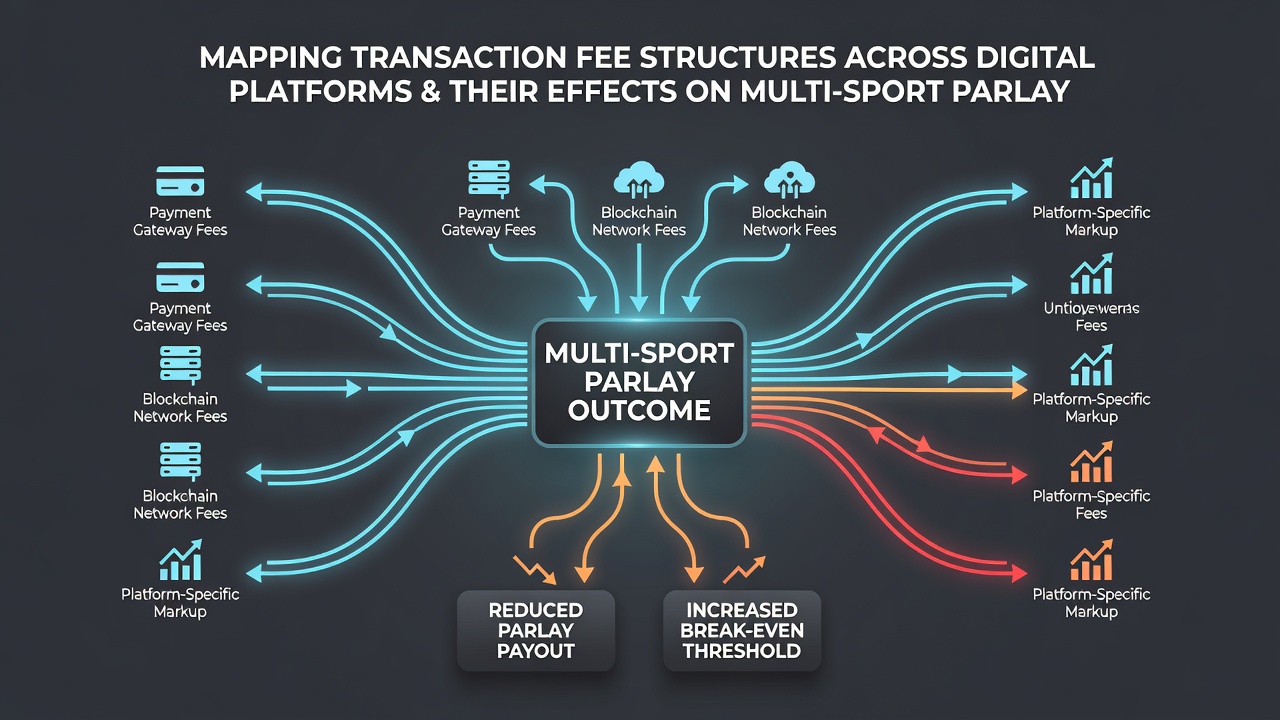
Regulatory summaries from Canada's provincial gaming authorities highlight that operators must disclose fee schedules in advance of any promotional periods tied to rugby internationals, ensuring users can factor costs into parlay probability models before committing funds. This disclosure requirement coincides with the June 2026 schedule when multiple test series run simultaneously with European club competitions, amplifying the number of cross-sport combinations available on digital interfaces.
Effects on User Decision Frameworks
Evidence from transaction logs demonstrates that higher cumulative fees correlate with reduced parlay leg counts, as users shift toward shorter combinations to preserve margin after fee deductions. Platforms employing dynamic fee models that scale with wager complexity register steadier parlay activity during rugby seasons compared with those maintaining fixed charges. Industry reports note that fee transparency tools integrated into mobile applications enable side-by-side platform comparisons, allowing users to identify lower-cost pathways for multi-sport constructions without altering the underlying selections.
Conclusion
Transaction fee structures across digital platforms continue to shape the viability of multi-sport parlay constructions throughout international rugby seasons by influencing net returns and timing decisions. Data from multiple regulatory regions shows consistent patterns where lower-fee options support greater parlay complexity during concentrated June windows such as 2026. Observers tracking these intersections find that clear fee mapping remains essential for accurate construction of cross-sport wagers involving rugby fixtures and concurrent events from other codes.