Louisiana Lawmakers Unanimously Approve Bill Targeting Bettor Misconduct
Otto Griffin · May 28, 2026

Louisiana Lawmakers Unanimously Approve Bill Targeting Bettor Misconduct
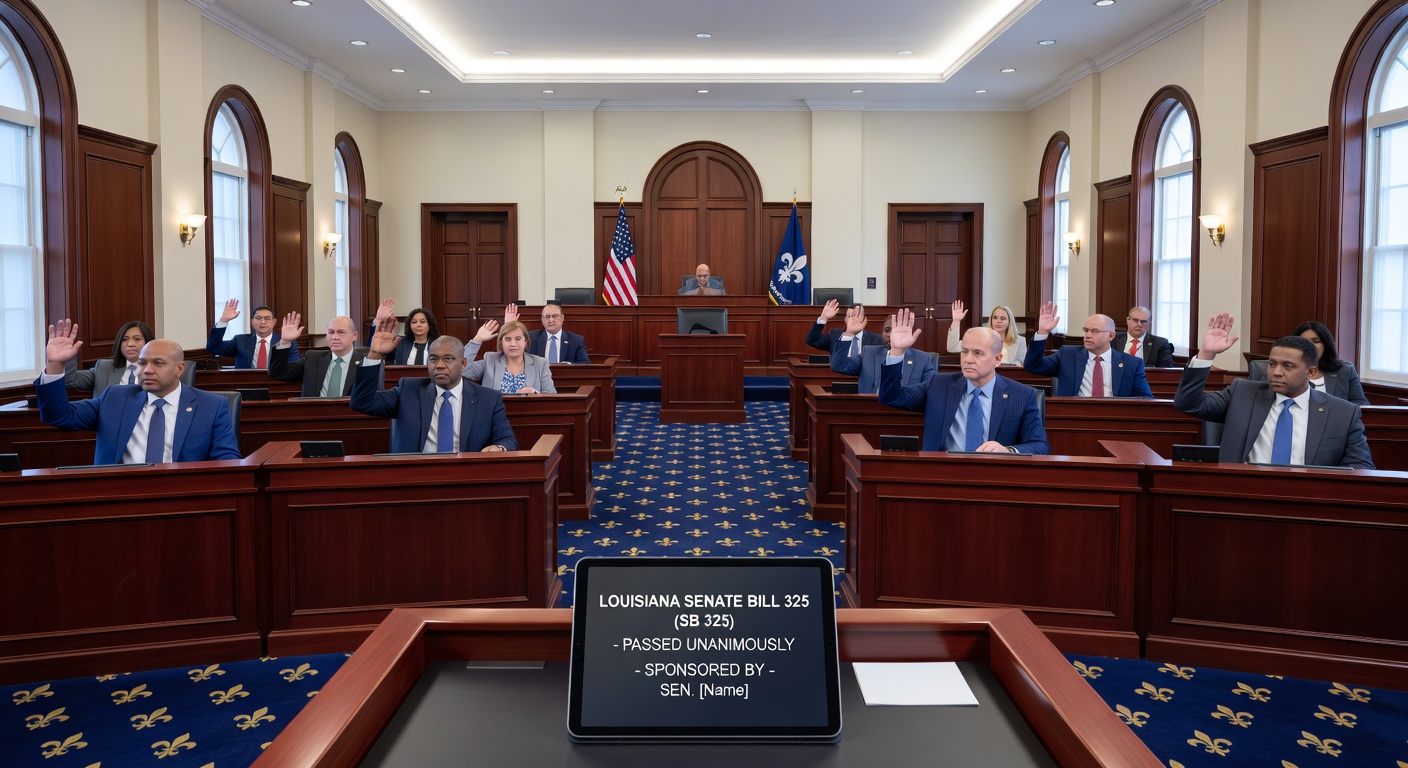
Louisiana lawmakers have moved forward with Senate Bill 325, a measure that grants the Louisiana Gaming Control Board authority to prohibit residents from retail and online sports betting when they engage in harassment, threats, or related misconduct tied to sporting events connected with wagering activities, and the legislation cleared both chambers without a single opposing vote during recent sessions.
Sponsored by Sen. Mike Reese, the bill sailed through the Senate on a 38-0 tally before advancing to the House, where it secured approval by a 101-0 margin, and if Gov. Jeff Landry signs the measure into law Louisiana would join Wyoming, Ohio, and West Virginia as the fourth state to implement such restrictions on bettors who cross lines involving athletes, coaches, officials, or other participants.
Core Elements of the Legislation
The statute empowers the gaming control board to investigate complaints and impose bans on individuals found responsible for harassment or threats directed at those involved in events linked to sports wagering, while it also outlines procedures for due process that allow affected parties to respond before any restrictions take effect, and the framework draws from similar approaches already operating in the three other states that pioneered these protections.
Under the provisions, misconduct includes verbal abuse, online threats, and coordinated campaigns that target participants in games or matches where betting markets exist, yet the language stops short of regulating general fan behavior unrelated to wagering, which keeps the focus squarely on preserving integrity within the sports betting ecosystem that has expanded across the state since legalization.
Legislative Journey and Timing
The measure progressed through committee reviews and floor debates with minimal amendments because both parties recognized the need to address rising incidents of fan aggression amplified by real-time betting interfaces, and the unanimous votes in both chambers signaled strong consensus that existing consumer protections required updates to match the pace of digital wagering growth.
Observers note that the bill's timing aligns with broader regulatory efforts to stabilize the industry, and while enactment depends on the governor's signature the structure mirrors statutes already active in Wyoming where the gaming commission first tested these tools, in Ohio where enforcement has produced documented case outcomes, and in West Virginia where similar rules have guided board decisions since their introduction.
Comparison With Existing State Models
Wyoming's pioneering statute established the template by authorizing its gaming division to suspend accounts after verified complaints, Ohio built upon that foundation with clearer reporting channels for teams and leagues, and West Virginia refined notification requirements that ensure bettors receive prompt information about pending actions, and Louisiana's version incorporates elements from each while tailoring appeal timelines to fit state administrative procedures.
Data from those jurisdictions shows that such measures have led to a measurable drop in targeted online harassment reports filed with sports leagues, according to industry summaries compiled by the American Gaming Association, and Louisiana officials anticipate parallel results once the board begins processing cases under the expanded authority.
Implementation Pathway and Enforcement Outlook
Once signed, the law directs the Louisiana Gaming Control Board to develop specific regulations within a defined window, including criteria for evidence evaluation and coordination protocols with sports leagues that already monitor betting-related threats, and these steps would integrate with the state's existing responsible gaming programs that track account activity across retail and mobile platforms.
Regulatory staff would gain tools to cross-reference complaint data with transaction records, allowing faster identification of patterns that connect betting accounts to misconduct, while partnerships with national sports organizations could supply additional verification that strengthens enforcement without expanding the board's budget beyond current allocations.
Broader Regulatory Context
The passage occurs amid ongoing conversations among state gaming regulators about harmonizing rules across borders, and Louisiana's addition would create a contiguous bloc of southeastern and midwestern states operating under comparable standards that reduce opportunities for individuals banned in one jurisdiction to migrate accounts elsewhere, and researchers from the University of Nevada's International Gaming Institute have documented how such coordination improves overall compliance rates.
According to reports from the National Council on Problem Gambling, states that pair enforcement tools with education campaigns see higher voluntary self-exclusion rates, and the new Louisiana statute includes provisions that encourage the board to publicize successful cases as a deterrent while protecting the privacy of those involved in investigations.
Conclusion
The unanimous legislative support underscores a shared priority among Louisiana policymakers to safeguard the sports betting environment, and the measure now awaits final action from Gov. Jeff Landry whose decision will determine whether the state joins the growing list of jurisdictions applying targeted restrictions, and stakeholders across the industry continue to monitor developments as the regulatory landscape evolves through 2026.