League Expansion Patterns Altering Initial Line Compilations for Cricket Events Worldwide
Anna Krause · Aug 6, 2026
League Expansion Patterns Altering Initial Line Compilations for Cricket Events Worldwide
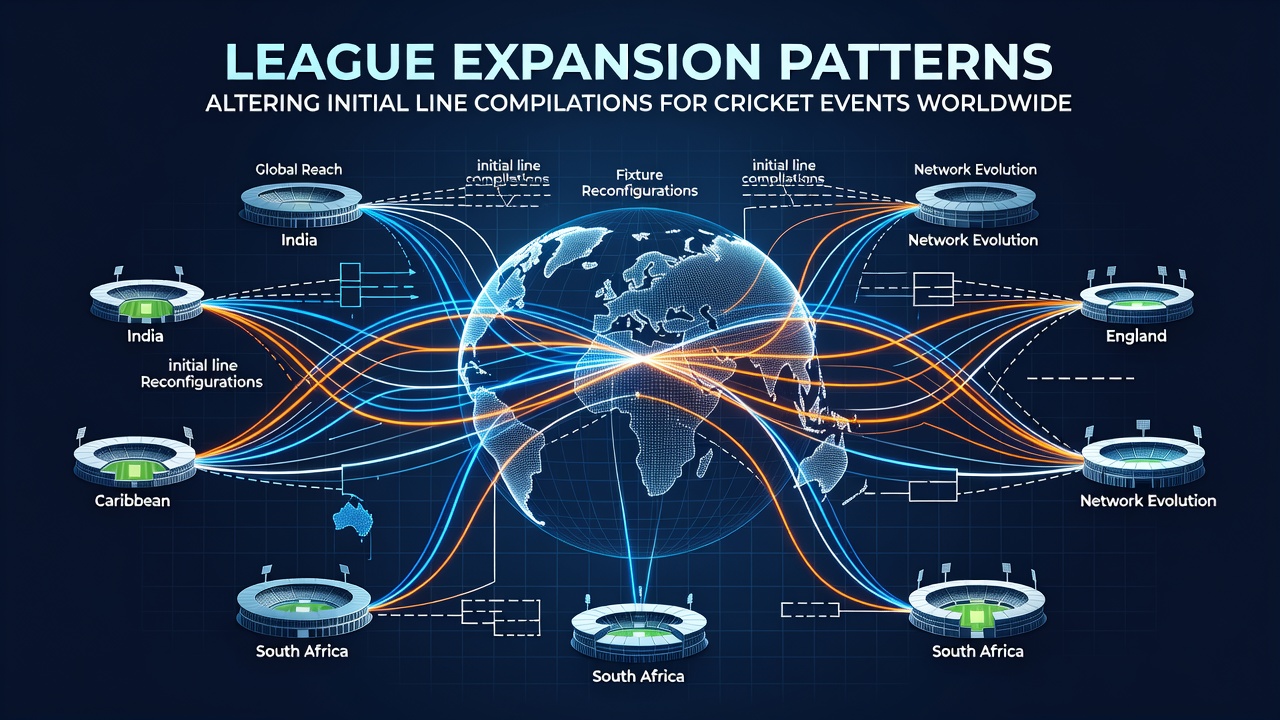
Cricket leagues around the globe continue to add franchises and teams, which shifts how bookmakers assemble their initial lines for upcoming fixtures, and observers note that these structural changes bring new variables into the compilation process each season.
Expansion Trends Across Major Cricket Markets
Data from governing bodies shows that the Indian Premier League grew from eight teams to ten in recent cycles, while the Big Bash League in Australia incorporated additional sides to broaden its footprint, and these moves force oddsmakers to recalibrate base metrics for player performances and team totals before any matches begin. The Caribbean Premier League and the Pakistan Super League followed similar paths by introducing new franchises, which altered roster depths and venue familiarity patterns that line compilers had previously used as stable reference points.
According to figures released by the International Cricket Council, global T20 league participation rose by over 25 percent between 2022 and 2025, creating more cross-border player movements that directly feed into early odds models. Those who track these developments point out that expansion often coincides with revised salary caps and draft systems, which change the talent distribution that bookmakers rely on when setting opening totals and head-to-head prices.
How Line Compilers Adjust to New Team Dynamics
Initial line compilations start with historical data sets, yet expansion introduces squads that lack long track records at the new scale, so analysts incorporate adjusted strength ratings based on player auction results and pre-season trials. Researchers at sports analytics firms have documented that newly added teams receive conservative opening spreads in their first season, with margins often tightened by three to five runs in limited-overs formats until enough matches accumulate.
But here's the thing: when leagues expand into additional cities, travel schedules lengthen and venue-specific factors multiply, which prompts compilers to layer in new weather and pitch variables from day one. Studies conducted by academic groups in Australia and South Africa reveal that these adjustments reduce early-season accuracy by an average of 12 percent until the models absorb the expanded dataset.
Regional Variations in Line Adjustments
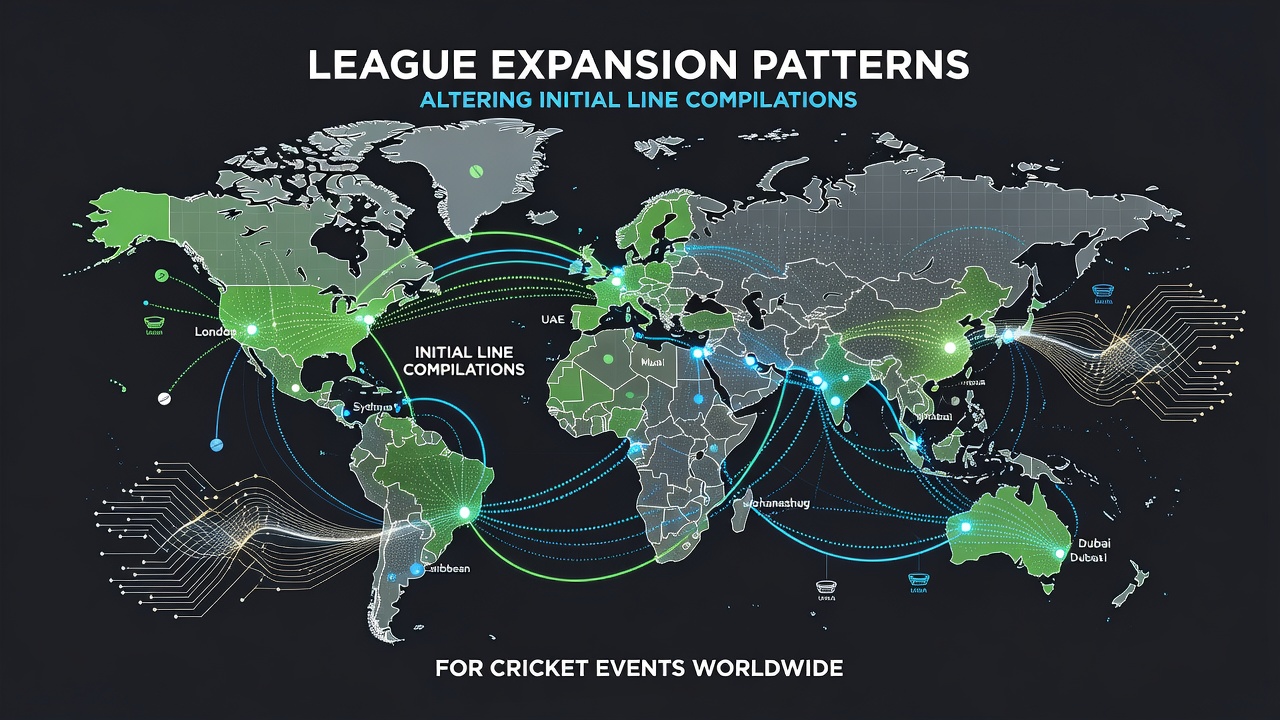
In England, the Hundred competition added teams through regional alignments that affected boundary dimensions and crowd dynamics, leading compilers to revise run-rate projections upward in certain parks. Meanwhile, emerging leagues in the United States and Canada incorporated draft systems modeled on North American sports, which introduced roster volatility that betting platforms had to account for in their opening markets. Government reports from Cricket Canada indicate that expansion there created fresh data gaps around player adaptation to different climates, requiring extra layers in the compilation algorithms.
What's interesting is that these patterns repeat across time zones, where Asian leagues tend to expand faster than European ones, yet the line-setting process follows a consistent sequence of base modeling followed by live updates once matches commence. Observers note that August 2026 marks the scheduled rollout of several new franchises in the Indian Premier League's next phase, which will again test how quickly initial lines stabilize after roster announcements.
Data Sources and Compilation Tools
Industry organizations such as the Federation of International Cricketers' Associations supply aggregated player statistics that feed directly into line models, while university-led research from institutions in New Zealand and India supplies peer-reviewed metrics on fatigue and recovery that compilers now integrate. These inputs help offset the uncertainty created when expansion dilutes the concentration of star players across more teams.
Turns out that digital platforms accelerate the feedback loop, allowing oddsmakers to pull real-time auction data and social media sentiment into their early calculations, which shortens the window between league announcements and published opening lines. External reports from bodies like Sportradar confirm that this integration has reduced revision rates on initial cricket lines by roughly 8 percent since 2024.
Conclusion
League expansion continues to reshape the foundation of initial line compilations for cricket events by introducing new variables in team composition, scheduling, and venue exposure that compilers must address before markets open. Patterns observed across multiple continents demonstrate that these adjustments follow predictable stages of data incorporation and model recalibration, supported by inputs from regulatory and research entities worldwide. As more leagues prepare for growth phases including the developments slated for August 2026, the process of setting opening odds will keep evolving alongside the sport's structural changes.