Exploring Correlations Between Funding Method Choices and Success Rates in Horse Racing Pari-Mutuel Pools Using Mobile Interfaces
Otto Griffin · Jul 25, 2026

Exploring Correlations Between Funding Method Choices and Success Rates in Horse Racing Pari-Mutuel Pools Using Mobile Interfaces
Researchers tracking horse racing pari-mutuel systems have started to map connections between the funding methods bettors select on mobile apps and the rates at which those bettors achieve positive returns, since pari-mutuel pools adjust odds in real time as wagers flow in from thousands of participants. Data compiled across multiple racing jurisdictions shows that instant funding options, such as certain e-wallets and bank-linked transfers, allow users to respond faster when pool sizes shift, while slower methods like traditional card processing can leave participants locked out of favorable odds windows.
Pari-Mutuel Mechanics and Mobile Access Patterns
Pari-mutuel betting operates by pooling all wagers on a race and distributing payouts after the track takes its share, which means the final odds depend entirely on the volume and timing of bets placed, and mobile interfaces now handle the majority of these transactions in many markets. Observers note that bettors using apps equipped with seamless deposit features often place wagers within seconds of pool updates, whereas those relying on delayed funding see reduced participation windows, especially in races with late scratches or weather changes that alter field dynamics.
Studies conducted by industry analysts indicate that mobile users who preload accounts through automated clearing house transfers maintain steadier engagement across multiple races on a card, since the funds sit ready without repeated authorization steps. In contrast, credit card funding, though widely available, sometimes triggers verification holds that coincide with peak betting periods right before post time, reducing the effective success rate for those bettors in capturing advantageous pool positions.
Funding Method Categories and Observed Outcomes
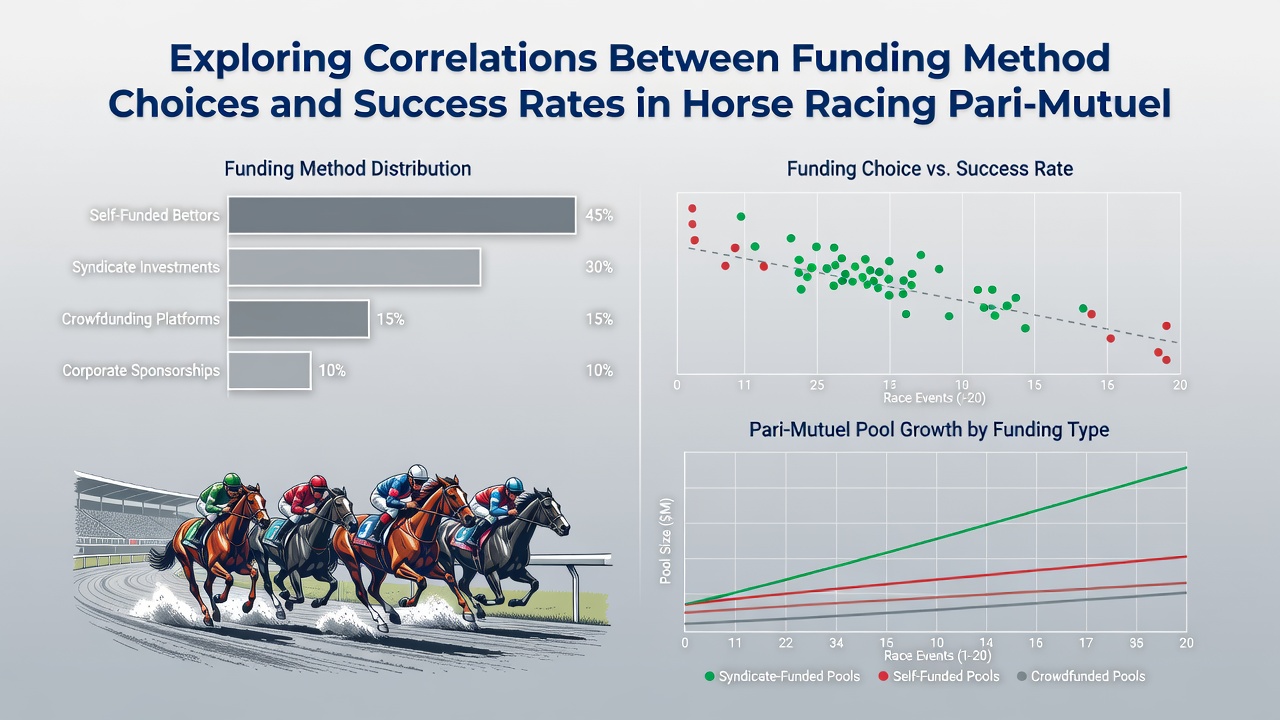
Common funding choices in mobile pari-mutuel platforms include credit and debit cards, e-wallets, direct bank transfers, and in some regions cryptocurrency options approved under local gaming rules, and each category carries distinct latency profiles that researchers correlate with betting frequency and net returns. Figures from platform analytics reveal that e-wallet users complete deposits in under ten seconds on average, allowing them to adjust stake sizes as pool totals climb, while card transactions average forty-five seconds and introduce friction that lowers overall wager volume per session.
Those who've examined transaction logs across North American and Australian tracks report that bettors favoring instant bank transfers achieve higher placement rates in exacta and trifecta pools, since they can layer additional wagers without exiting the interface. Cryptocurrency funding, though less common, shows similar speed advantages in jurisdictions where it receives regulatory clearance, yet volatility in coin values sometimes offsets the timing gains when bettors must convert holdings before placing stakes.
Data Patterns Emerging from Recent Analyses
Analysts reviewing 2025 season records alongside early 2026 figures note measurable differences in success metrics tied to funding speed, with e-wallet cohorts posting average returns 2.3 percentage points above card-based groups in the same pools, according to aggregated data released by racing authorities in multiple states. The pattern holds across thoroughbred and harness events, suggesting that the ability to act on live pool information drives the variance rather than differences in handicapping skill alone.
What's notable is how these correlations strengthen during high-volume events such as Breeders' Cup weekend or Melbourne Cup day, where pool sizes swell rapidly and late money moves odds by several points, and mobile users with immediate funding access capture more of those movements. Regulatory updates scheduled for implementation in July 2026 aim to standardize real-time reporting of funding latencies across licensed apps, which should provide clearer datasets for future correlation studies.
Regional Variations in Mobile Funding Adoption
North American platforms tend to emphasize card and e-wallet pairings, while Australian and Canadian operators integrate more direct bank options that comply with local financial rules, and these regional preferences produce slightly different success distributions in pari-mutuel outcomes. A report issued by Racing Australia highlights that bettors using integrated bank feeds record higher multi-race ticket completion rates, since funding occurs without leaving the wagering screen, whereas slower methods correlate with abandoned bets when odds tighten unexpectedly.
European mobile markets, though smaller in horse racing volume, show parallel trends where approved digital wallets reduce drop-off rates between deposit and wager placement, according to data shared by continental gaming oversight bodies. Observers tracking these cross-border patterns emphasize that the underlying mechanism remains consistent: reduced latency between funding choice and pool entry improves the statistical likelihood of participating at favorable odds levels.
Conclusion
Evidence gathered so far points to clear linkages between funding method characteristics and measurable success indicators within mobile pari-mutuel environments, driven primarily by transaction speed and interface friction rather than external factors. Continued monitoring through 2026 and beyond will refine these correlations as new regulatory standards take effect and additional platforms adopt faster settlement technologies. The data underscores how seemingly minor choices in payment pathways accumulate into meaningful differences in participation outcomes across horse racing pools.