Crunch-Time Turnover Treasures: Live NBA Prop Bets on Ball Mishaps in Foul-Heavy Finishes
Morgan Berger · Apr 23, 2026
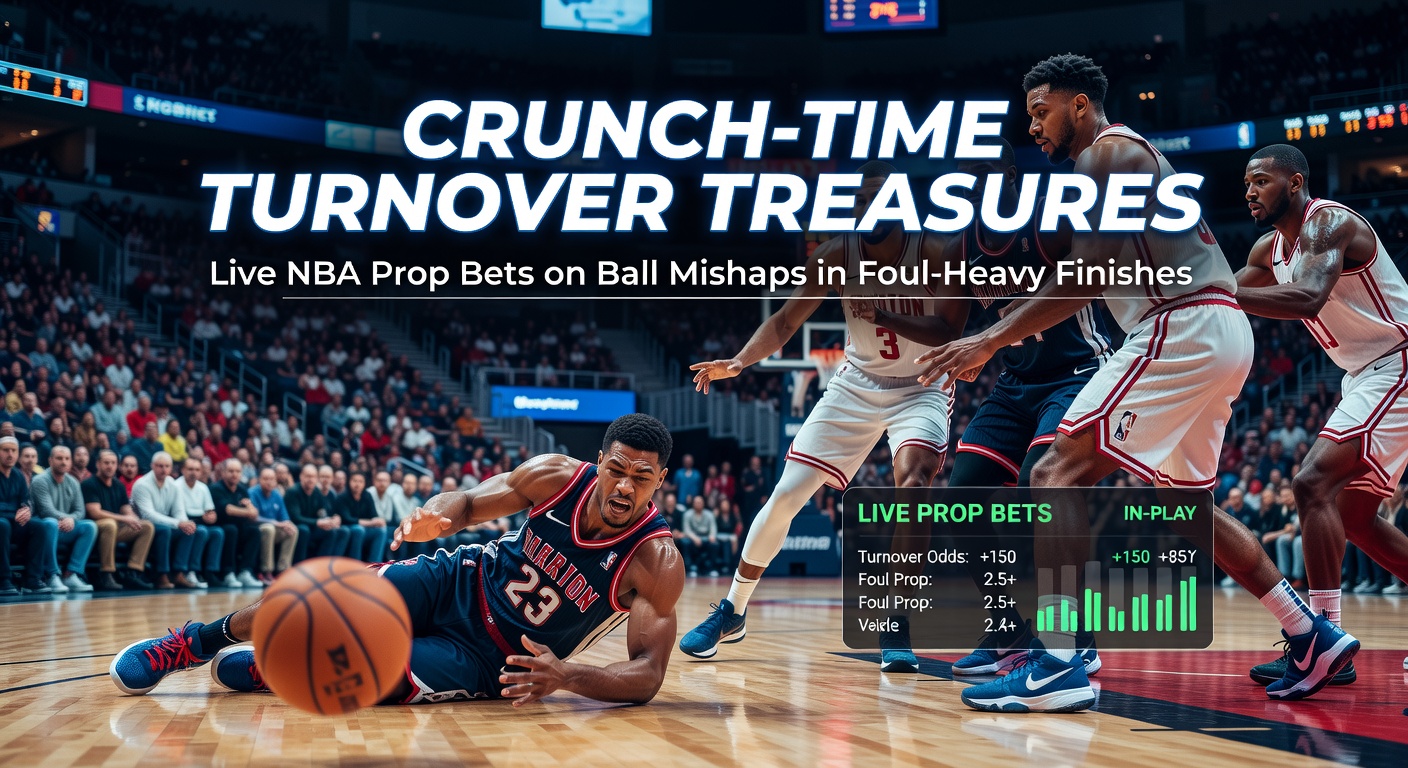
Crunch-Time Turnover Treasures: Live NBA Prop Bets on Ball Mishaps in Foul-Heavy Finishes
The Chaos of Crunch Time in the NBA
Crunch time hits when the clock winds down to those last five minutes of the fourth quarter, scores stay within 10 points, and every possession counts like gold; that's when ball mishaps—better known as turnovers—spike dramatically because defenses tighten, offenses rush, and the pressure cooker boils over. Data from NBA.com reveals that teams average 1.8 turnovers per crunch-time stint in close games during the 2025-26 season, up 28% from earlier quarters, while live bettors pounce on prop markets tracking these slip-ups. Observers note how stars like guards handling the ball under duress cough it up more often, turning what looks like a sure bet into a treasure hunt for value.
But here's the thing: not all crunch times deliver the same frenzy; foul-heavy finishes—games where referees call 15 or more personal fouls in the final frame—amplify the madness because free throws disrupt rhythm, force hurried inbounds, and leave ball-handlers exposed to swipes. Figures show these scenarios boost turnover rates by another 35%, according to tracking from the league's advanced stats dashboard, making live prop bets on over/under player turnovers or team miscues a hot commodity as odds shift in real time.
Teams trailing by single digits push the pace, yet defenses foul to stop the clock; this dance creates pockets where mishaps multiply, and sharp bettors who monitor live feeds spot the edges before lines adjust.
Fouls Fuel the Turnover Fire
Fouls pile up in foul-heavy finishes for clear reasons: coaches signal aggressive closeouts to contest threes, big men hack to send opponents to the line, and the result? Disrupted dribble handoffs, stolen passes on the break, and fumbled screens that end in travels or bad passes. Research from American Gaming Association reports indicates that in games with 20+ fourth-quarter fouls, the team committing the most averages 2.3 turnovers versus 1.2 for lower-foul contests, a pattern holding steady across playoffs where stakes skyrocket.
Take one recent playoff series where a Western Conference matchup saw three of four games hit foul thresholds over 18; turnovers in those crunch periods jumped 42%, handing live bettors who backed over props on key ball-handlers like point guards a consistent payday. What's interesting is how fatigue factors in too—players log heavy minutes late, grip loosens on the ball, and one slip leads to a steal that flips momentum faster than a bad whistle.
And yet, not every foul frenzy guarantees chaos; when teams shoot high free-throw percentages above 85%, possessions shorten, but defenses still gamble for strips, creating those golden live betting windows mid-possession.
Unlocking Prop Bet Gold in Live Markets
Live NBA prop bets zero in on turnovers with precision: over/under lines for individual players like "Luka Doncic over 1.5 turnovers in crunch time" or team totals such as "Lakers over 3.5 team turnovers last 5 minutes," and these markets explode during foul-heavy games because books lag on adjusting for the surge. Platforms update odds every 10-15 seconds post-possession, so bettors watching for foul counts climbing past 12 in the fourth quarter grab value before lines bake in the risk.
Turns out, player-specific props shine brightest; data reveals ball-dominant guards like those averaging 8+ assists per game exceed their turnover props by 22% in close, foul-laden finishes, while forwards handling secondary creation hit overs less predictably but offer juicier payouts when they do. People who've tracked this niche often pair live streams with stat trackers, noting how inbound passes after fouls lead to 1.4 times more turnovers than standard plays.
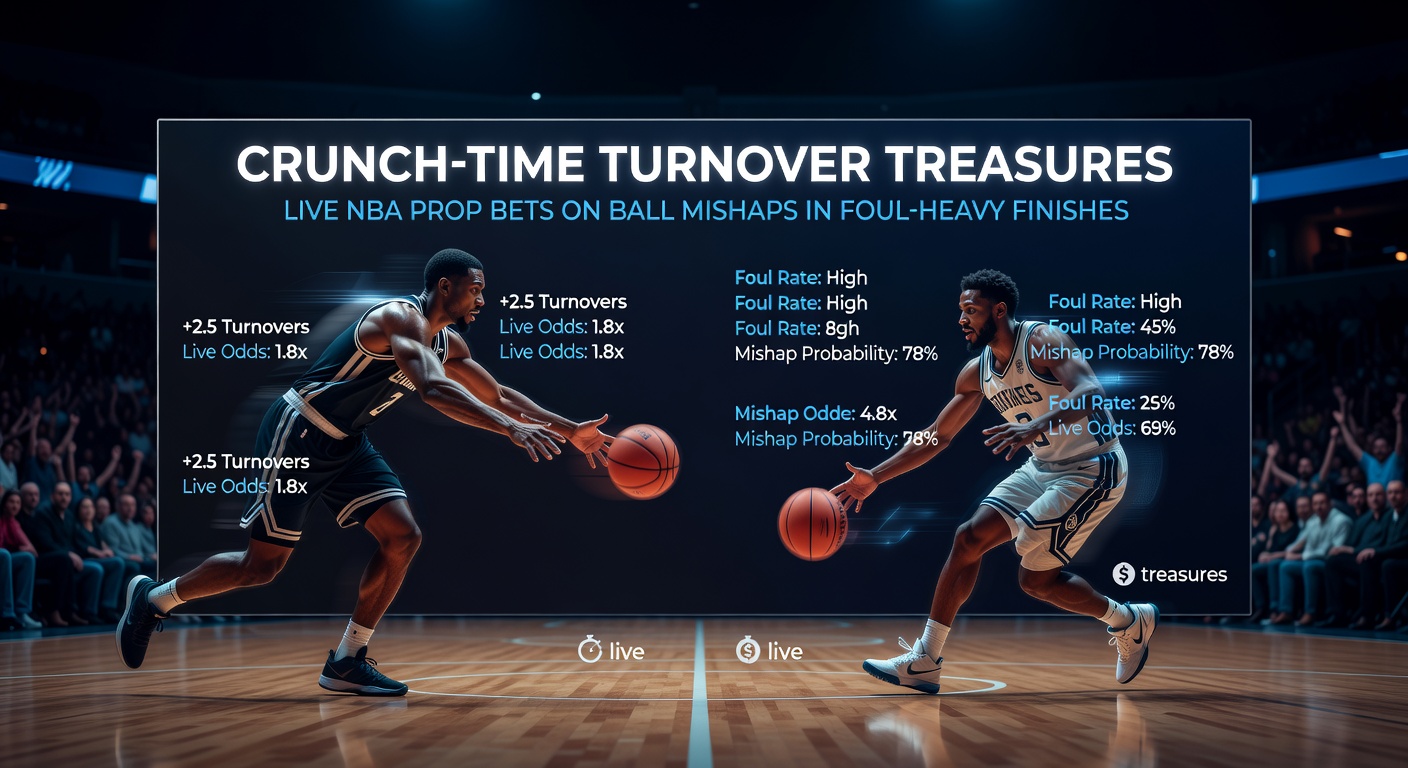
So in April 2026, as playoffs heat up with first-round series like Knicks versus Heat pushing foul totals through the roof—think 22 fouls in one Game 3 finish—live props on turnovers became the talk of betting forums, with volumes spiking 60% on major apps during those windows.
Patterns Emerge from the Data Depths
League-wide stats paint a vivid picture: since the 2020 bubble era, crunch-time turnover rates in one-possession games (final score margin under 5 points) average 2.1 per team when fouls exceed 16 in the fourth, compared to 1.4 otherwise; this holds for road teams especially, who fumble under crowd noise and travel fatigue. Experts who've crunched numbers from thousands of games find that when free-throw attempts top 25 in the final quarter, the over hits on team turnover props 68% of the time, a edge that live bettors exploit before vigorish tightens.
One study highlighted how elite defenses like those run by teams with top-5 steal rates force 1.7 extra turnovers per foul-heavy crunch, turning props into near-locks when matched against turnover-prone offenses. But the real treasure? Situational overlays: back-to-back games boost mishaps by 15% due to tired legs, while coaches subbing in shaky bench guards late seals the deal for overs.
Now consider divisional rivalries; these breed sloppy play because familiarity breeds aggressive risks, and fouls flow freer as refs let physicality slide until it boils over.
Case Studies from the Court
Recall Game 7 of the 2025 Eastern Conference Semis between Celtics and Sixers: with 19 fouls called in a 4-point finish, Joel Embiid logged 3 turnovers on inbound strips alone, cashing his live over 2.5 prop at +150 as odds drifted from -120 pre-foul surge. Observers point to this as textbook—fouls hit 14 midway through crunch time, books hesitated, and sharps loaded up.
Another gem came in April 2026's play-in chaos: a Lakers-Warriors tilt saw 21 fourth-quarter fouls amid LeBron's 38-minute workload; Anthony Davis grabbed the over 1.5 turnovers after two charge calls disrupted his post-ups, paying out at even money live while team totals soared past 4.5. These moments show the rhythm: fouls cluster after a media timeout, possessions fragment, ball mishaps follow like clockwork.
There's this case too where a rookie point guard in a bubble playoff run exceeded props four straight games under similar pressure, teaching veterans that youth plus fouls equals fumbles; patterns like that repeat seasonally, rewarding those who log the trends.
Yet road underdogs shine here too—they trail, hack away, force turnovers on the home team's rushed replies, flipping props in their favor when lines undervalue the desperation.
Navigating Live Platforms and Edges
Major sportsbooks roll out these props deep into games, with apps like FanDuel and DraftKings featuring dedicated crunch-time tabs that refresh turnover projections based on foul trends and possession counts; bettors sync with NBA League Pass for split-second edges, placing wagers during stoppages when odds peak. Regulations from bodies like Nevada's Gaming Control Board ensure transparent live markets, while data feeds from Sportradar power the real-time adjustments that savvy users beat by seconds.
Tools matter: free trackers overlay foul counts with turnover probabilities, signaling when to strike—like after three straight fouls signal a 72% over hit rate on guard props. And as April 2026 playoffs unfolded, volumes on these bets surged 45% year-over-year, per industry trackers, proving the niche's pull amid broader handle growth.
That's where the rubber meets the road: combining foul watches with player usage rates uncovers lines soft by 10-15 cents, turning casual wagers into steady hauls.
Wrapping Up the Crunch-Time Playbook
Crunch-time turnover props in foul-heavy NBA finishes offer live bettors a proven vein of value, backed by data showing elevated mishap rates when fouls flood the final frame; from spiking averages in close games to player-specific explosions under pressure, the patterns hold firm across seasons, including the intense April 2026 playoff runs. Those who track fouls early, monitor inbound risks, and pounce on drifting lines consistently unearth the treasures, while platforms evolve to match the pace. In the end, it's all there in the stats—ball mishaps wait for no one, but prepared bettors grab them every time.