Cross-Border Transfers: How Regional Banking Delays Reshape Accumulator Payout Timelines in International League Markets
Quinn Long · Aug 8, 2026
Cross-Border Transfers: How Regional Banking Delays Reshape Accumulator Payout Timelines in International League Markets
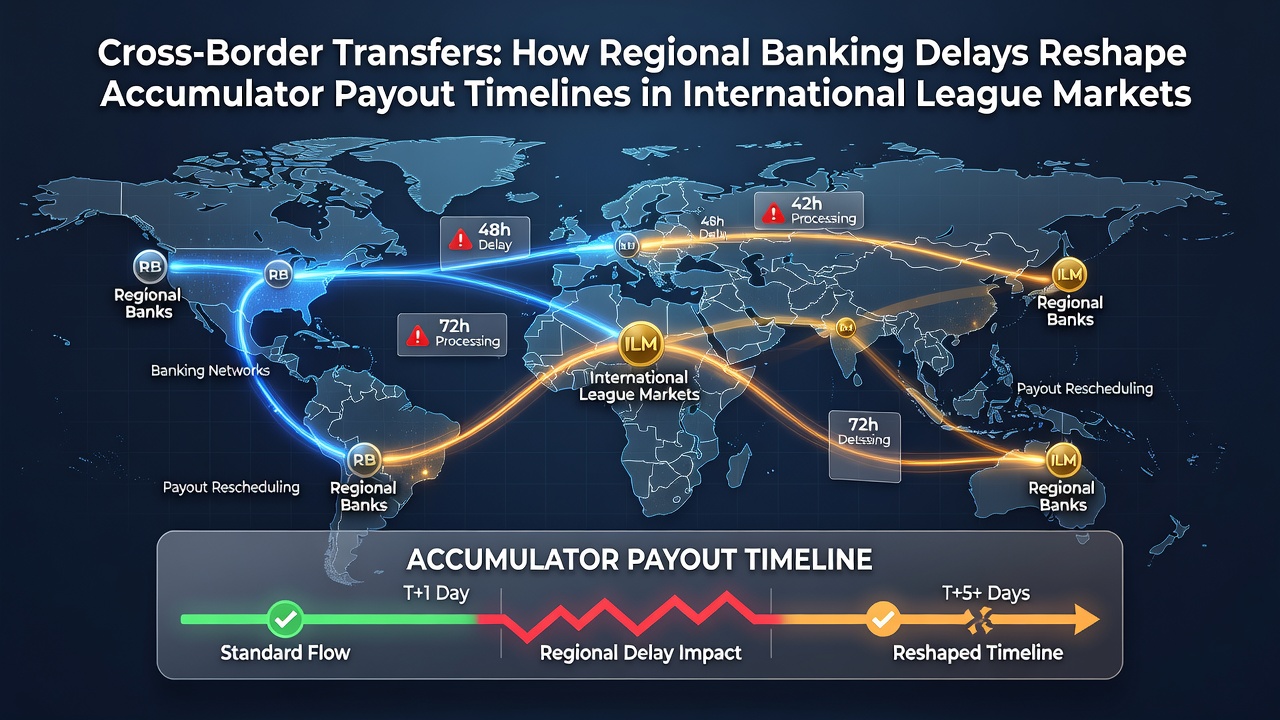
Cross-border transfers in international league betting markets involve multiple banking layers that create variable payout timelines for accumulator bets, and these delays stem from differences in regional financial infrastructure, regulatory requirements, and settlement systems across continents. Accumulator payouts, which combine multiple event outcomes into a single larger return, require platforms to process funds from diverse jurisdictions before releasing winnings to bettors located worldwide. Data from payment networks shows that average transfer times range from one business day in integrated European systems to five or more days when moving between Asian and North American accounts.
Regional Banking Infrastructure and Settlement Variations
European markets benefit from the Single Euro Payments Area framework that accelerates intra-continental transfers, yet when accumulator winnings originate from leagues in Asia or South America, the funds encounter additional verification steps at correspondent banks. Observers note that platforms handling bets on European football competitions and Asian basketball leagues must navigate these layered processes simultaneously, and delays compound when multiple currencies require conversion before final settlement. Research from international financial institutions indicates that August 2026 saw continued expansion of real-time payment pilots in several regions, but full integration across all major betting markets remains incomplete.
North American systems often rely on automated clearing house mechanisms that operate on fixed daily windows, and this structure creates bottlenecks when accumulator payouts involve simultaneous transfers to accounts in Australia or the Middle East. Those who track payment flows across these corridors report that verification requirements tied to anti-money laundering rules add extra processing hours, particularly when the originating betting platform operates under different licensing regimes. Industry reports highlight how platforms serving global users must maintain liquidity buffers to cover these timing gaps without interrupting service to bettors awaiting accumulator returns.
Impact on Accumulator Payout Timelines
Accumulator bets on international leagues generate larger aggregate payouts that travel through more complex banking paths than single-event wagers, and regional delays directly extend the period between match conclusion and funds availability. When a bettor places an accumulator spanning soccer matches in South America, tennis tournaments in Europe, and basketball games in North America, each leg's payout segment encounters distinct settlement rules. Figures from banking associations reveal that average delays increase by two to four days when crossing from one regulatory zone to another, and platforms adjust their internal processing schedules accordingly to meet user expectations.
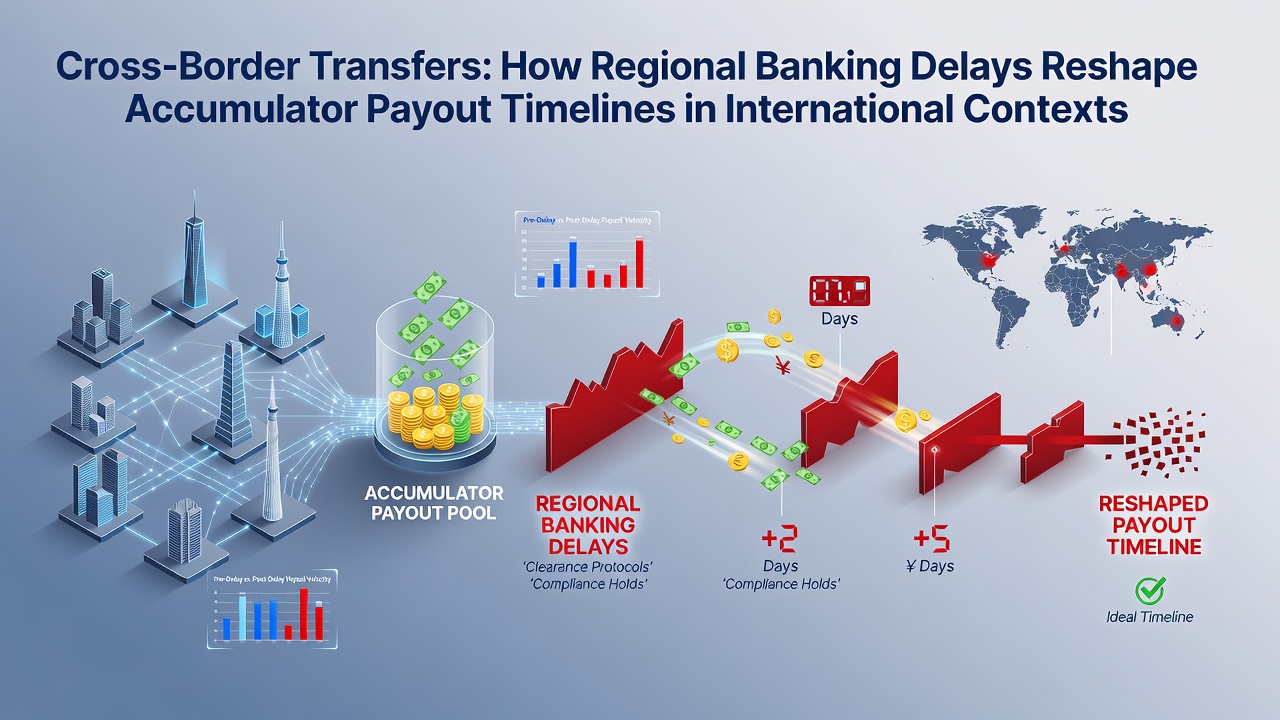
Payment processors in the Asia-Pacific region have introduced faster options for certain corridors, yet legacy systems in other markets continue to rely on batch processing that limits weekend and holiday movement of funds. Those monitoring these patterns observe that accumulator payouts scheduled for release during peak international tournament periods face heightened competition for processing capacity, and this competition stretches timelines further. According to data compiled by the Bank for International Settlements, cross-border retail payments still average longer settlement windows than domestic equivalents, and betting platforms incorporate these realities into their service level agreements with users.
Regulatory and Compliance Influences
Compliance checks required by different national authorities add another dimension to payout timelines, and each jurisdiction applies its own documentation standards before releasing accumulator winnings. Platforms operating across multiple markets coordinate with local banks to satisfy these requirements while minimizing additional hold times, yet variations persist. A report from the Federal Reserve System outlines how evolving standards for international payments aim to reduce friction, and ongoing initiatives in 2026 continue to test solutions that could shorten these intervals for betting-related transfers.
Market participants in regions with stricter capital controls experience more pronounced effects on accumulator payout speed, and platforms respond by offering interim notifications that keep users informed about expected arrival dates. Data shows that these transparency measures help maintain trust even when actual transfer durations exceed initial projections due to unforeseen banking queue congestion. Experts tracking these developments note that platforms serving international league markets have begun publishing average payout windows by region to set clearer expectations for accumulator bettors.
Conclusion
Regional banking delays continue to influence accumulator payout timelines in international league markets through differences in settlement infrastructure, currency conversion requirements, and compliance procedures. Payment data indicates that platforms adapt by maintaining diversified banking relationships and providing users with region-specific estimates. As initiatives from organizations such as the Bank for International Settlements advance, observers expect gradual improvements in cross-border efficiency that could reduce the current variability in payout durations across global betting platforms.