Analyzing Wearable Sensor Data Streams for Calibrating Prop Adjustments in Combat Sports Recovery Windows
Otto Griffin · Jun 18, 2026
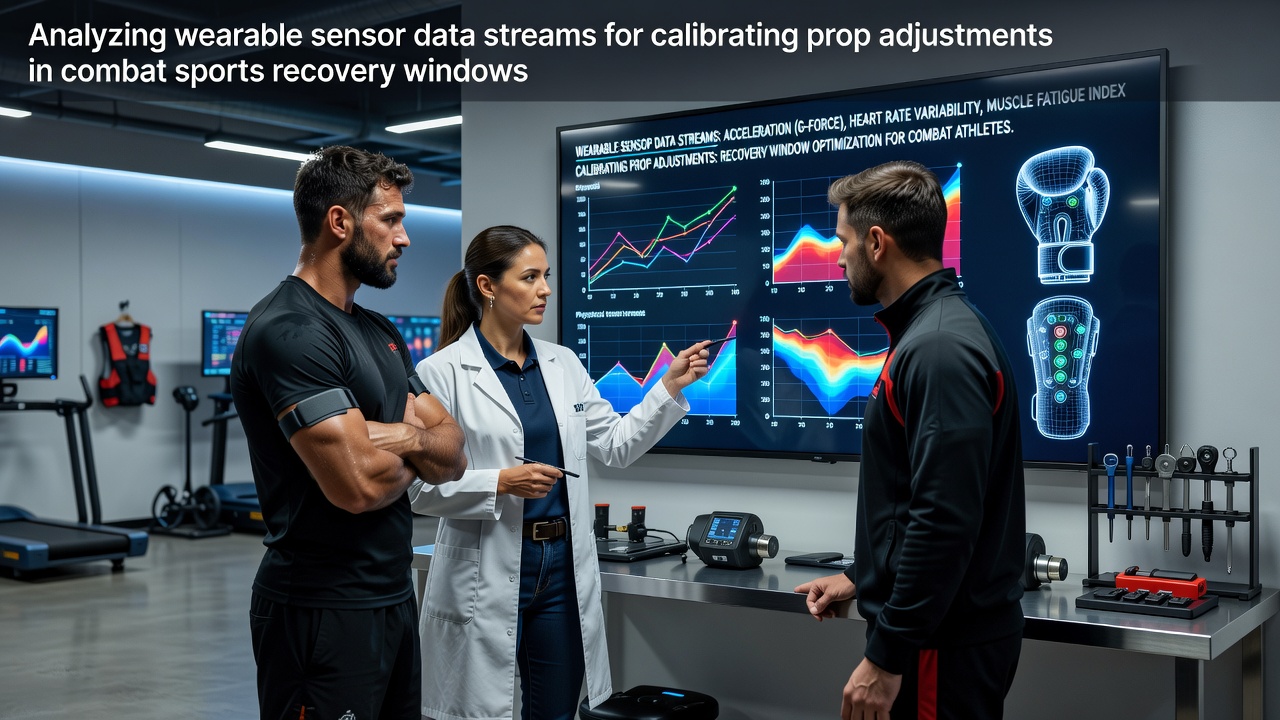
Analyzing Wearable Sensor Data Streams for Calibrating Prop Adjustments in Combat Sports Recovery Windows
Combat sports athletes rely on precise recovery protocols after intense training sessions or bouts, and wearable sensors now supply continuous data streams that teams use to fine-tune those timelines. Devices track heart rate variability, acceleration patterns, muscle oxygenation, and sleep metrics, which analysts process through algorithms to adjust rest intervals and training loads. Researchers at institutions across multiple continents compile these readings to establish baselines for fighters in boxing, mixed martial arts, and kickboxing.
Sensor Technologies in Use
Modern wearables combine electrocardiogram chips with inertial measurement units and optical pulse sensors, collecting data at frequencies up to 1000 hertz during both activity and rest periods. Teams attach chest straps or armbands that stream information wirelessly to cloud platforms, where software filters noise and identifies anomalies in recovery curves. Data from these streams reveals when an athlete's sympathetic nervous system remains elevated, indicating incomplete parasympathetic reactivation that affects subsequent performance windows.
Studies conducted by the Australian Institute of Sport demonstrate how accelerometers detect subtle changes in movement economy during recovery drills, allowing coaches to modify pad work intensity or sparring volume on a daily basis. Meanwhile, Canadian researchers integrate near-infrared spectroscopy sensors to monitor local muscle oxygen saturation, producing graphs that correlate directly with perceived readiness scores reported by athletes themselves.
Data Processing Methods
Analysts apply time-series decomposition techniques to separate circadian influences from training-induced fatigue signals, then feed the cleaned datasets into machine learning models trained on historical bout outcomes. These models output recommended adjustments to recovery windows, such as extending sleep protocols by 90 minutes or inserting active recovery sessions at specific heart rate zones. European labs under the EU Horizon research framework have published validation trials showing that such calibrated schedules reduce soft-tissue injury rates by measurable margins across multi-week training camps.
Real-time dashboards display rolling averages of heart rate variability alongside acceleration load ratios, prompting immediate decisions on whether to advance or delay high-intensity sessions. Observers note that fighters whose data streams indicate rapid autonomic recovery often receive clearance for technical sparring earlier than those showing prolonged elevation in resting heart rate.
Application in Recovery Calibration
Coaches integrate sensor outputs with video review of movement quality to decide prop adjustments, where props refer to protective equipment settings and resistance levels used in rehabilitation circuits. A fighter exhibiting asymmetric force production during jump tests might see their medicine ball weight reduced or their battle rope interval shortened until bilateral symmetry returns within acceptable thresholds. June 2026 marks the scheduled rollout of updated firmware across several major sensor platforms, expected to incorporate athlete-specific baseline recalibration features based on longitudinal data collected from professional circuits.
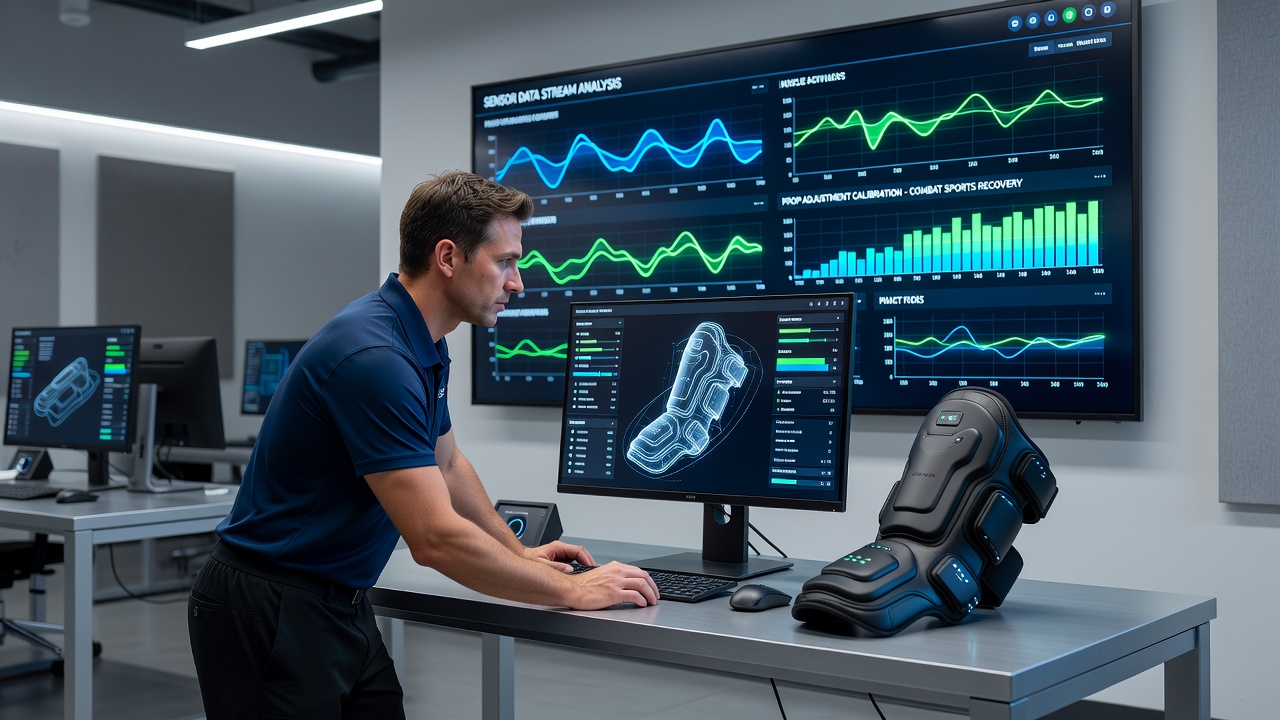
One documented case involved a welterweight contender whose post-fight data streams flagged delayed lactate clearance persisting beyond 72 hours, leading trainers to postpone return-to-sparring protocols by an additional 48 hours and substitute low-impact swimming sessions instead. Similar patterns appear in datasets shared among strength and conditioning networks, where consistent application of these adjustments correlates with fewer missed training days over annual cycles.
Integration with Broader Performance Systems
Organizations link wearable outputs to nutrition tracking apps and psychological wellness questionnaires, creating composite readiness scores that inform weekly periodization plans. The National Institutes of Health in the United States has funded projects examining how chronic sleep fragmentation detected by wrist-based sensors influences inflammatory markers measured through periodic blood draws. Those findings feed back into recovery window models, refining thresholds for when athletes should prioritize rest over skill acquisition.
Teams also compare individual streams against league-wide aggregates released in anonymized reports, identifying outliers who may benefit from customized protocols. Data from South American federations, for instance, highlights how altitude acclimatization periods interact with sensor-detected fatigue markers, prompting schedule tweaks ahead of bouts scheduled in high-elevation venues.
Future Developments and Standardization
Industry working groups continue to develop open data standards that would allow seamless transfer of sensor streams between different hardware manufacturers and coaching software suites. Pilot programs in Australia and Canada test unified APIs that preserve athlete privacy while enabling larger-scale meta-analyses of recovery patterns across weight classes and fight frequencies. These efforts aim to reduce variability in how different camps interpret the same physiological signals.
Conclusion
Wearable sensor analysis now forms a core component of recovery management in combat sports, supplying objective metrics that teams translate into calibrated adjustments for training props and rest intervals. Continued refinement of algorithms alongside hardware improvements promises tighter alignment between measured physiological states and practical scheduling decisions. Organizations monitoring these developments anticipate broader adoption as validation studies accumulate across international circuits.