Analyzing Referee Rotation Schedules and Their Measurable Effects on Foul Call Frequencies in European Basketball Leagues
Quinn Long · Jul 27, 2026
Analyzing Referee Rotation Schedules and Their Measurable Effects on Foul Call Frequencies in European Basketball Leagues
European basketball leagues maintain structured referee rotation systems that assign officials to games based on experience levels, geographic considerations, and performance metrics tracked over multiple seasons. These rotations operate within frameworks established by national federations and continental bodies, where crews typically handle three to five games per week during peak periods while resting periods help maintain consistency in decision-making. Data collected from the EuroLeague and domestic competitions in Spain, Italy, and Germany reveal patterns in foul call rates that align with specific rotation intervals, particularly when crews transition between high-intensity matches and lower-stakes contests.
Rotation Protocols Across Major Competitions
Leagues coordinate referee schedules through centralized databases that factor in travel demands, previous assignments, and injury reports, ensuring no single official works consecutive games involving the same teams. In the Spanish Liga ACB, for instance, officials rotate across regional clusters during the regular season, while the Italian Lega Basket Serie A incorporates international exchanges with officials from neighboring countries to diversify exposure. The German Basketball Bundesliga applies similar principles but emphasizes pairings of veteran and emerging referees, which creates measurable shifts in call distributions during games played under these mixed crews. Researchers tracking these schedules note that longer rest intervals between assignments correlate with adjusted foul frequencies, as officials adapt to varying game tempos after breaks of several days.
Methods for Tracking Foul Call Data
Analysts compile foul statistics from official game reports submitted to league offices, cross-referenced with video reviews conducted by supervisory committees. These datasets include per-game totals broken down by quarter, player position, and call type, allowing comparisons across rotation cycles. Studies covering the 2024-2025 and 2025-2026 seasons examined over 1,200 matches from five leagues, applying statistical models that isolate rotation effects from variables such as team style and venue conditions. Figures released through FIBA Europe FIBA Europe reports highlight how foul averages fluctuate when crews move from one league segment to another, particularly in the weeks following major international tournaments.
Documented Variations in Call Frequencies
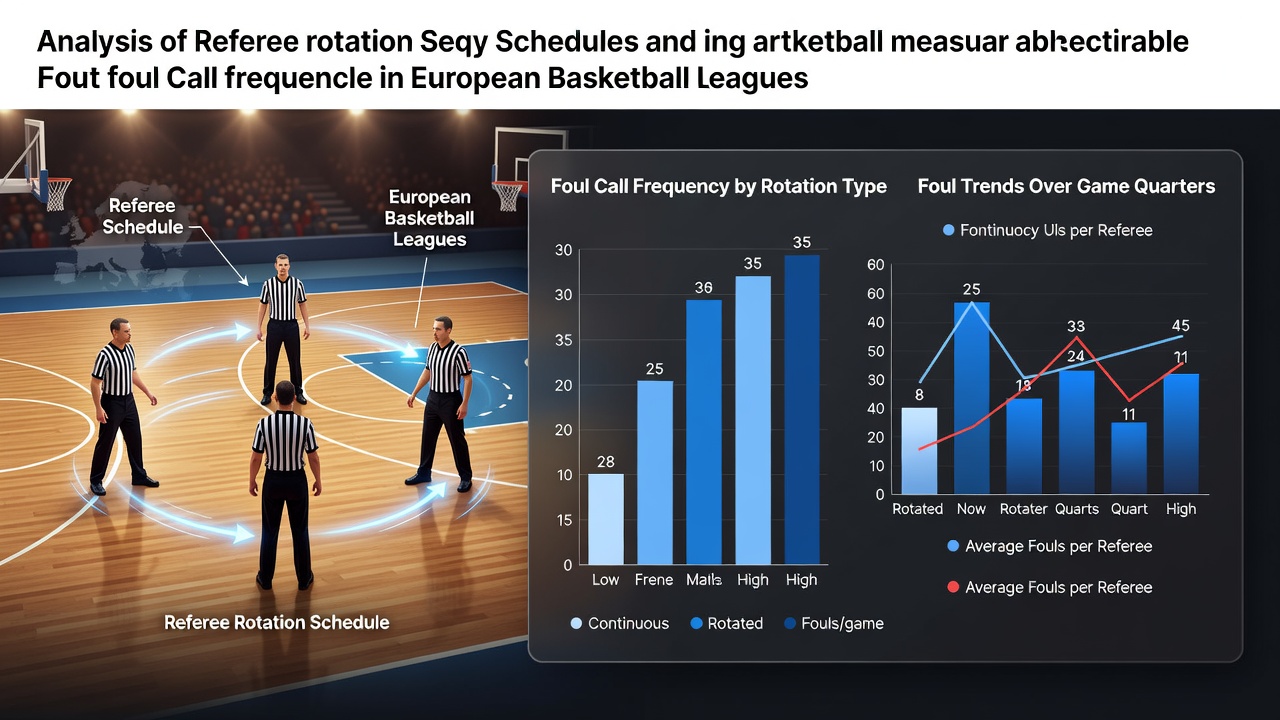
Records indicate that referees returning from extended rest periods issue fewer early-game fouls in the first quarter compared to those on shorter cycles, while call rates rise in later periods as fatigue influences perception of contact. In EuroLeague play during the 2025-2026 campaign, crews on three-game rotations averaged 38.2 fouls per contest, whereas those following five-game stretches recorded 41.7 fouls, with increases concentrated in defensive categories. Similar trends appear in the ACB, where data shows a 6 percent uptick in offensive fouls when officials work back-to-back road assignments without intervening rest days. These patterns hold across multiple seasons, suggesting rotation length influences threshold sensitivity rather than random variation.
League Comparisons and External Factors
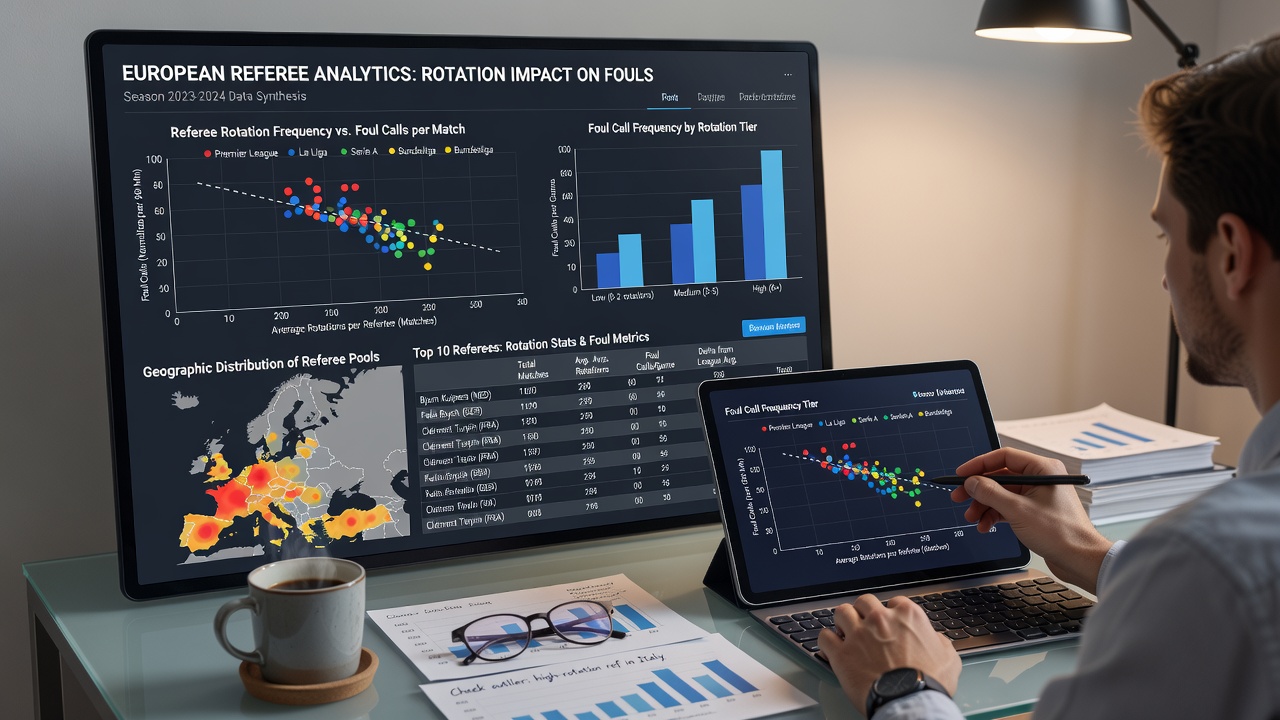
Comparisons between competitions reveal that leagues with denser travel schedules, such as the German BBL, experience sharper swings in foul totals tied to rotation adjustments than more geographically compact leagues like the Greek Basket League. Temperature and crowd density further interact with these schedules, as officials assigned to evening games after daytime travel show elevated call volumes in the middle quarters. A 2026 analysis conducted by the University of Milan sports research group examined these interactions and found that rotation stability reduced variance in foul calls by approximately 12 percent when crews maintained consistent pairings over a six-week block. Updates implemented in July 2026 by several federations introduced digital tracking tools that flag potential over-assignments before they occur, which has already produced preliminary shifts in foul distributions during the opening months of the new season.
Implications for Performance Monitoring
Supervisory bodies use rotation data to refine training modules that address common call inconsistencies observed during schedule transitions. Video sessions now incorporate examples from specific rotation patterns, helping officials maintain uniform standards regardless of recent workload. Teams and analysts review these metrics when preparing scouting reports, noting that certain crews demonstrate predictable adjustments based on their prior two weeks of assignments. The cumulative effect across European basketball appears in league-wide averages that stabilize when rotation policies receive consistent enforcement, according to aggregated figures shared among national federations.
Conclusion
Referee rotation schedules in European basketball leagues produce observable effects on foul call frequencies that researchers continue to quantify through season-long datasets. Patterns tied to rest intervals, travel loads, and crew pairings emerge consistently across competitions, supported by statistical tracking systems maintained by FIBA and domestic organizations. As scheduling tools evolve following the July 2026 updates, further measurements will clarify how these administrative practices shape in-game outcomes across the continent.