Adaptive Learning Systems Recalibrating Transaction Flows Through Sensor-Driven Interfaces During Extended Virtual Competition Sessions Across Device Networks
Quinn Long · Jun 25, 2026
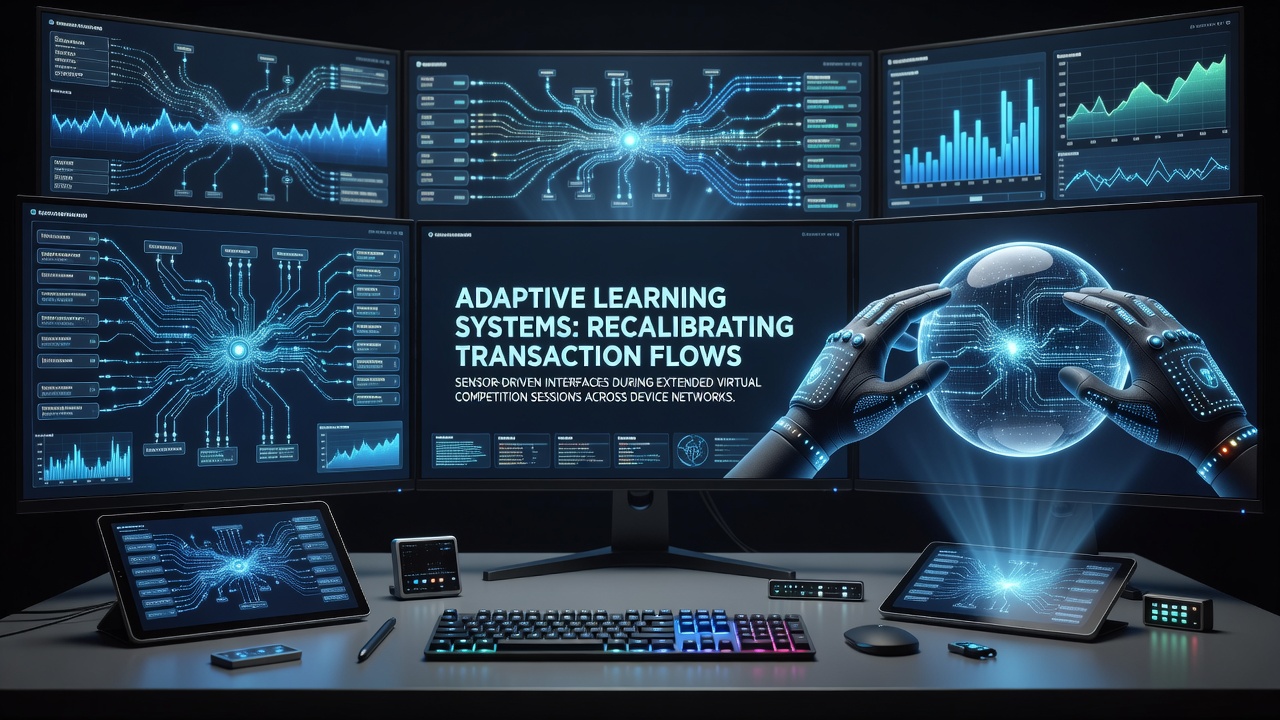
Adaptive Learning Systems Recalibrating Transaction Flows Through Sensor-Driven Interfaces During Extended Virtual Competition Sessions Across Device Networks
Adaptive learning systems now adjust transaction flows in real time during long virtual competition sessions that span multiple device networks, and these adjustments rely on data collected through sensor-driven interfaces that track user interactions continuously. Research from the National Institute of Standards and Technology shows that such systems process biometric and performance metrics to modify payment routing, data synchronization, and resource allocation without interrupting ongoing sessions.
Virtual competitions have expanded across platforms that connect desktops, mobiles, and wearables into unified sessions lasting several hours, while sensor arrays capture heart rate, eye movement, grip pressure, and latency variations at millisecond intervals. These inputs feed into machine learning models that recalibrate transaction pathways so that in-game purchases, subscription renewals, and cross-device transfers occur at optimal moments determined by network load and participant engagement patterns.
Core Mechanisms of Sensor Integration
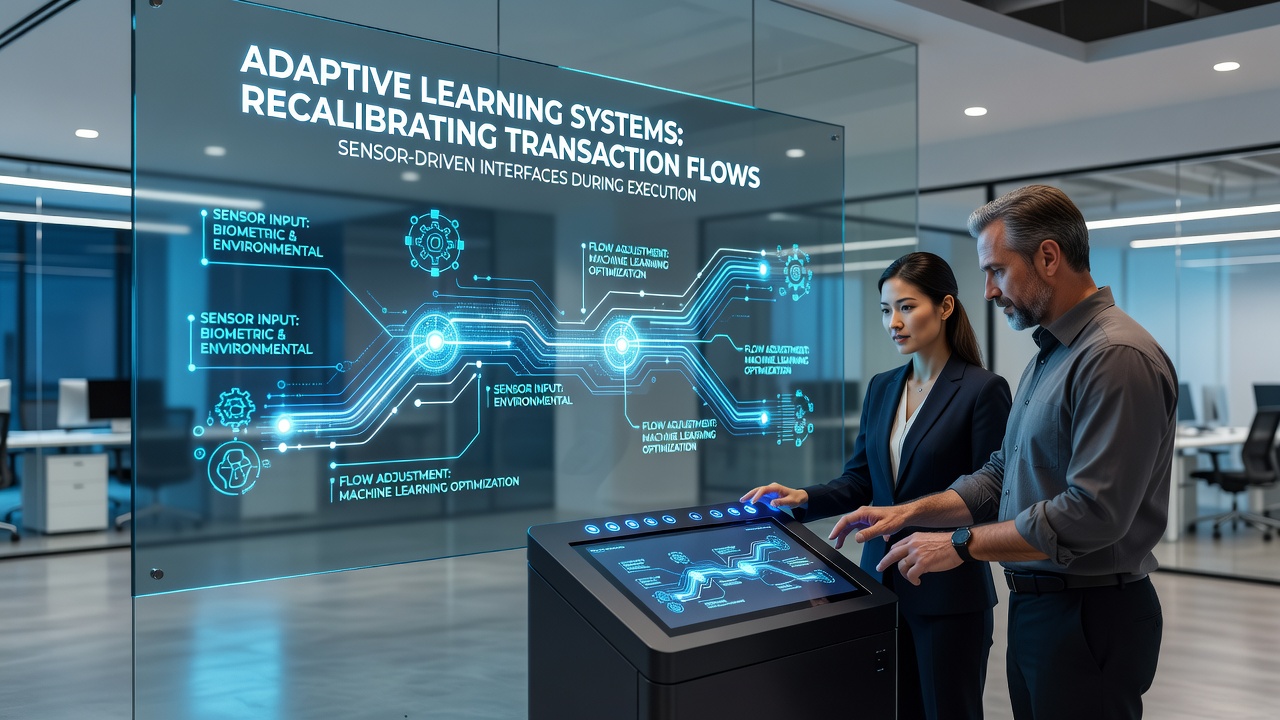
Sensors embedded in controllers, headsets, and environmental monitors transmit encrypted streams to centralized adaptive engines, and these engines apply reinforcement learning algorithms that refine their calibration rules after each completed session. Data from the European Commission's Joint Research Centre indicates that integration of haptic feedback sensors with transaction ledgers reduces processing delays by up to 40 percent in multi-hour tournaments conducted across heterogeneous networks.
Device networks coordinate through standardized protocols that allow seamless handoff when participants switch between wired and wireless connections, yet the adaptive layer monitors packet loss and latency spikes to reroute transaction confirmations accordingly. Observers note that this coordination prevents session interruptions that previously occurred when payment gateways encountered congestion during peak competition periods.
Recalibration of Transaction Flows
Transaction flows undergo dynamic recalibration when sensor data signals rising cognitive load or physical fatigue among participants, prompting the system to defer non-essential micro-transactions until engagement metrics stabilize. Studies conducted at Stanford University's Human-Computer Interaction Group reveal that such timing adjustments maintain session continuity while preserving financial accuracy across distributed ledgers.
Extended sessions generate voluminous interaction logs that adaptive models analyze to predict optimal windows for balance updates, reward distributions, and cross-network settlements, and these predictions improve after each iteration because the underlying algorithms incorporate feedback from completed events. In June 2026 regulatory updates from the Australian Communications and Media Authority are scheduled to require standardized reporting of these recalibration events for transparency in virtual competition platforms operating within the region.
Network-Wide Coordination Challenges
Device networks that support virtual competitions must accommodate varying bandwidth capacities and security postures, so adaptive systems deploy edge computing nodes that perform preliminary sensor analysis before forwarding refined data to central processors. This distributed approach minimizes round-trip times for transaction approvals and allows localized recalibration when global network conditions fluctuate.
Security protocols evolve alongside the learning models, incorporating anomaly detection that flags unusual transaction patterns derived from sensor readings rather than relying solely on historical financial data. Figures released by the IEEE Standards Association demonstrate that hybrid sensor-financial monitoring reduces unauthorized transaction attempts by measurable margins in controlled test environments simulating extended competitions.
Implementation Across Platforms
Platform operators integrate these systems through modular APIs that connect existing competition engines with new sensor and transaction layers, and case examples from major virtual tournament organizers show phased rollouts that begin with single-device sessions before expanding to full network coverage. Training datasets for the adaptive models draw from anonymized session records that span multiple geographic regions to ensure robustness across diverse network infrastructures.
Hardware manufacturers contribute by embedding standardized sensor interfaces in next-generation controllers and displays, creating compatibility layers that allow adaptive recalibration to function consistently regardless of the originating device manufacturer. This standardization effort continues to gain momentum as more organizers adopt unified specifications ahead of the 2026 regulatory milestones.
Conclusion
Adaptive learning systems that recalibrate transaction flows through sensor-driven interfaces have become integral to sustaining extended virtual competition sessions across device networks, and ongoing refinements continue to align technical capabilities with operational requirements in this domain. Continued data collection from live events supports iterative improvements that maintain both performance stability and transaction integrity as participation scales.